PLASTIC SCRAP
Plastic Scrap: The Secondary Raw Material
Every recycled pellet, every regrind flake, every compounded secondary resin starts its journey as post-industrial trim, a used bottle, a retired crate, or a discarded film roll. Plastic scrap is not a waste management problem dressed up in commercial language. It is a raw material category with genuine industrial demand, globally connected trade flows, and pricing dynamics that reward buyers and sellers who approach it with the same rigour they would apply to any other commodity. For traders, recyclers, and procurement professionals operating in this space, understanding the breadth and depth of the plastic scrap market is the starting point for every profitable transaction.
What the Plastic Scrap Market Actually Covers
The term plastic scrap encompasses a remarkably diverse range of materials, and one of the most common mistakes made by participants new to this market is treating it as a single commodity rather than a broad category of distinct material streams, each with its own pricing logic, processing requirements, and buyer profile. Getting comfortable with that diversity — and learning to navigate it confidently — is what separates consistently successful market participants from those who struggle to find reliable counterparts or achieve fair value for their material.
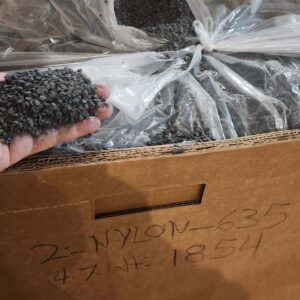
The major polymer families each represent a distinct sub-market within the broader plastic scrap for sale landscape. ABS, EPS, HDPE, LDPE, PET, PP, PS, Nylon (PA), PVC — form the highest-volume segment of the market, driven by the sheer scale of packaging, agricultural, and industrial applications that consume these materials. PET scrap, primarily from bottle and fibre sources, is the most globally traded recycled plastic stream and benefits from the most mature collection and processing infrastructure. Engineering plastics — ABS, nylon, polycarbonate, and POM — trade in lower volumes but at significantly higher values per tonne, reflecting both the performance characteristics of the virgin polymers they replace and the more demanding processing requirements of their end applications. PVC, styrenics, and mixed plastics round out the landscape, each with specific market dynamics that reward specialist knowledge.
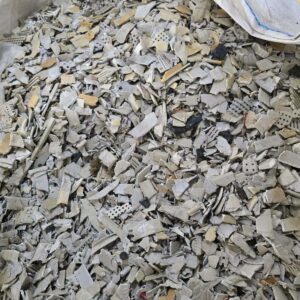
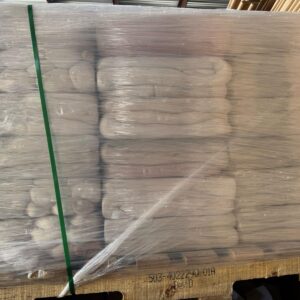
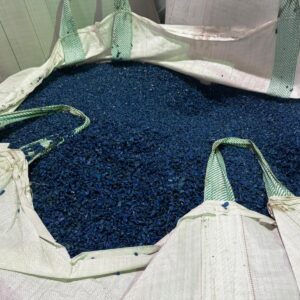
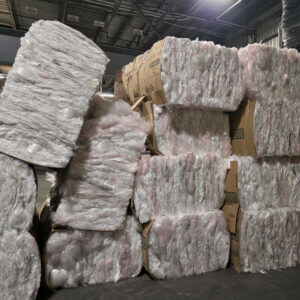
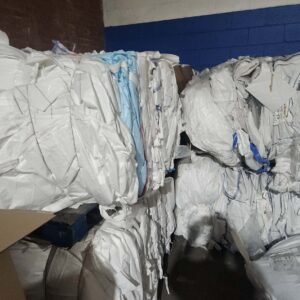
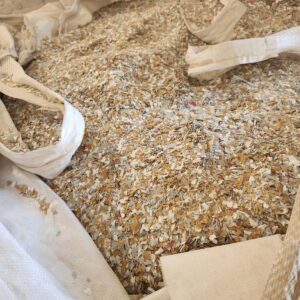
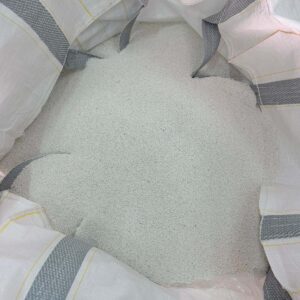
Within each polymer family, quality and form further segment the market. Post-industrial scrap — arising from manufacturing processes as trim waste, off-spec production, or surplus material — is generally cleaner, more consistent, and more traceable than post-consumer material, and it commands corresponding pricing premiums. Post-consumer scrap, collected from end-of-life products and packaging, is more variable in quality and requires more rigorous sorting and processing before it can serve demanding downstream applications, but it represents the largest available volume and is the primary feedstock for the circular economy ambitions of major brand owners and manufacturers. Regrind, pellets, bales, rolls, and loose scrap are all traded formats, and the form in which material is presented to market affects both its logistics economics and the range of buyers it can reach.
Plastic Scrap Price and Value
For anyone buying or selling in this market with any regularity, the question of plastic scrap price is both the most important and the most nuanced conversation to navigate. Prices vary enormously across polymer types, grades, forms, and geographies — and they move in response to a complex set of overlapping market forces that experienced participants track continuously.
Virgin resin pricing is the primary reference point across the entire plastic scrap market. When virgin polymer prices rise — driven by oil and gas feedstock costs, production disruptions, or demand surges from manufacturing sectors — recycled material becomes more attractive as a cost-saving alternative, and plastic scrap price per kg moves upward across most grades. When virgin resin softens, recycled material pricing follows, though the relationship is not always symmetrical or immediate. Traders who monitor petrochemical markets alongside scrap pricing are consistently better positioned to time their transactions and manage margin effectively.
Supply and demand balance within specific polymer streams creates pricing divergence that smart traders actively exploit. A surge in post-consumer PET bottle collection in one region can temporarily soften local PET flake pricing while export demand keeps values firm elsewhere. A shutdown of a major compounder that consumes HIPS regrind can create a localised oversupply that depresses PS scrap prices in its catchment area. These imbalances are the raw material of trading opportunity, and participants who maintain broad market visibility — across geographies, polymer types, and processing stages — are best positioned to identify and act on them.
Plastic scrap price per kg is also heavily influenced by quality and contamination level within any given polymer stream. The spread between well-sorted, single-polymer, low-contamination scrap and mixed or contaminated material of the same nominal polymer type can be substantial — often ranging from 20% to 50% or more depending on the grade and the processing costs the buyer faces. For sellers, this means that investment in sorting, cleaning, and quality documentation consistently delivers commercial returns that justify the operational cost. For buyers, it means that understanding exactly what you are purchasing — and verifying it before committing — is as important as the price per tonne on the contract.
Geographic dynamics shape plastic scrap pricing in ways that create genuine international trade opportunities. Regions with strong collection infrastructure but limited domestic processing capacity — parts of Western Europe, Japan, and Australia — generate consistent export supply that flows to manufacturing hubs in Southeast Asia, Turkey, India, and elsewhere. Freight economics, import duties, and currency movements all factor into the net realised value of cross-border transactions, and plastic scrap suppliers operating internationally need to model these variables carefully to ensure that apparent price advantages in distant markets translate into actual margin improvement after logistics costs.
Choosing the Right Plastic Scrap Suppliers
The quality of your counterparts in the plastic scrap market matters as much as the quality of the material itself. Whether you are sourcing feedstock for a recycling or compounding operation, trading scrap between collection and processing, or procuring recycled inputs for a manufacturing process, the reliability, transparency, and technical competence of the plastic scrap suppliers you work with directly affects your operational performance and commercial outcomes.
Reputable suppliers provide accurate material specifications — polymer type, grade, form, color, contamination level, and where relevant, test data including melt flow index, moisture content, and any chemical compliance documentation. They present material consistently, communicate proactively about quality variations, and stand behind their specifications when material arrives at destination. In a market where quality can be difficult to verify remotely and where substandard material creates costly disruptions on processing lines, the value of a trustworthy supply relationship is significant and quantifiable.
The plastic scrap market is global, dynamic, and increasingly shaped by sustainability commitments, regulatory developments, and the growing sophistication of recycling technology. Participants who invest in market knowledge, quality discipline, and strong counterpart relationships are consistently better positioned to navigate that complexity and capture the commercial opportunities it creates.
If you are looking for plastic scrap for sale across any major polymer category, want a current read on plastic scrap price levels for specific grades, or are seeking reliable plastic scrap suppliers for ongoing volume requirements, reach out with your specifications and we will find the right fit. Transparent material, honest grading, and straightforward transactions — that is how the best deals in this market get done.
Showing all 9 results