
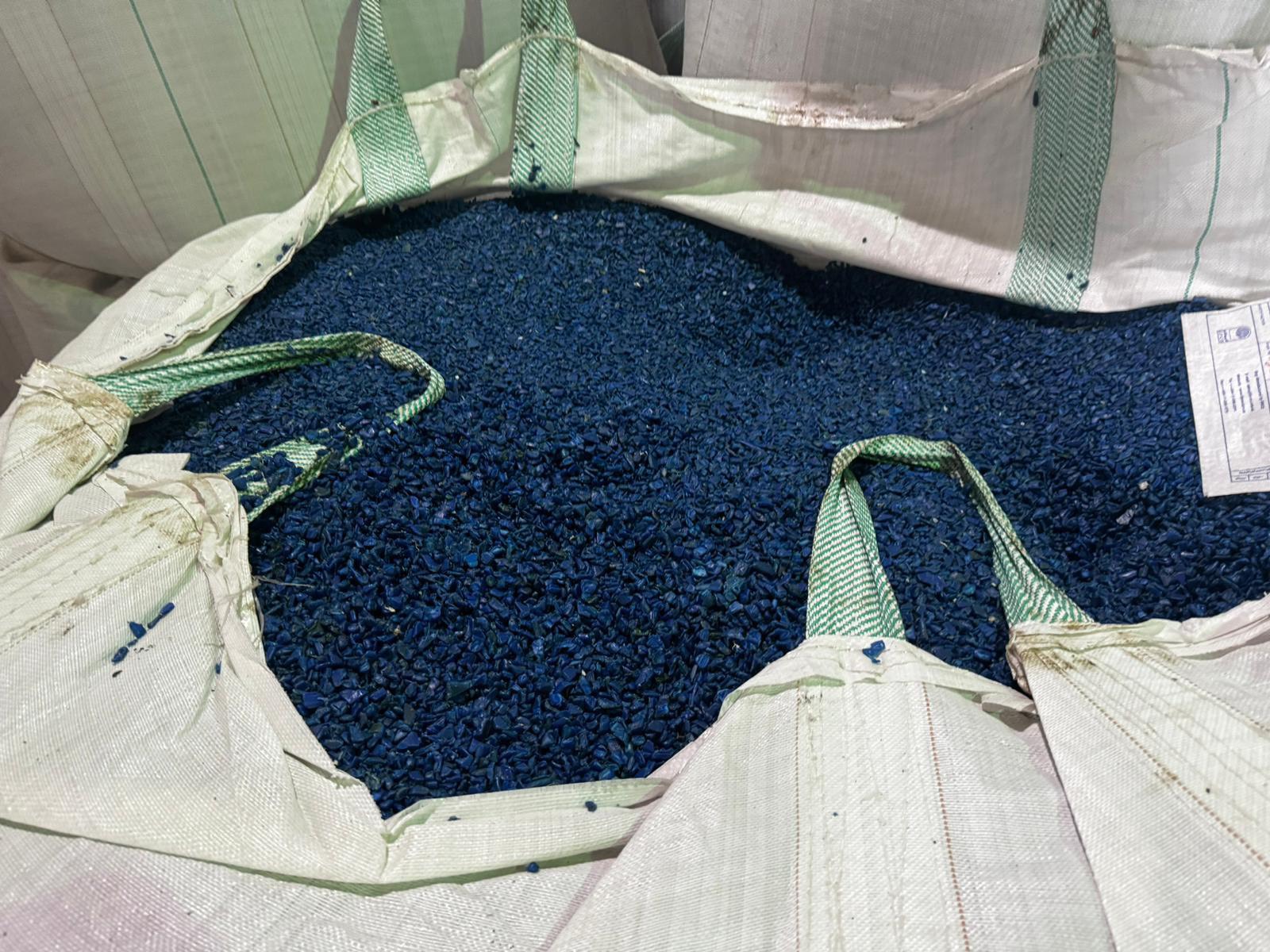
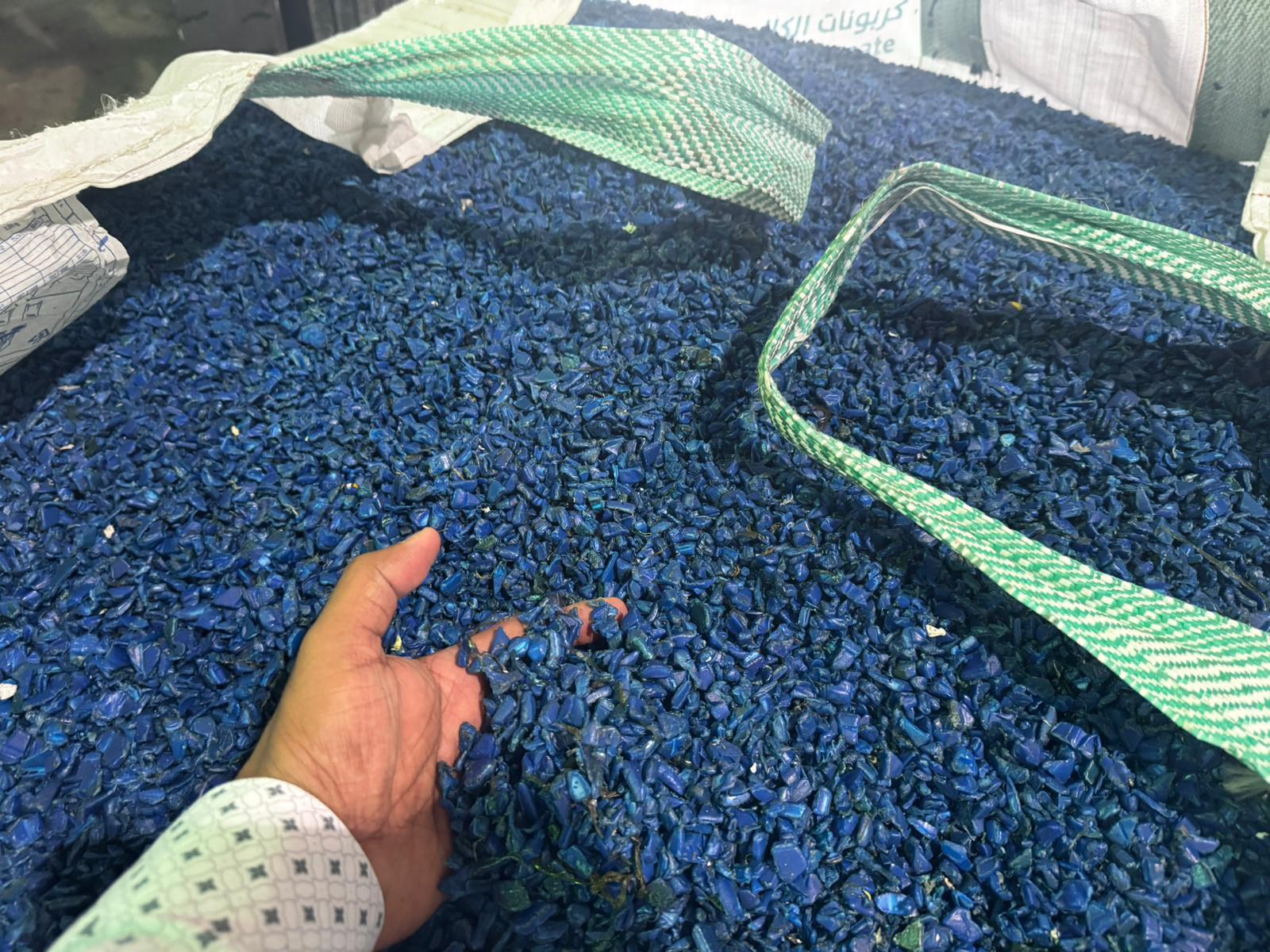
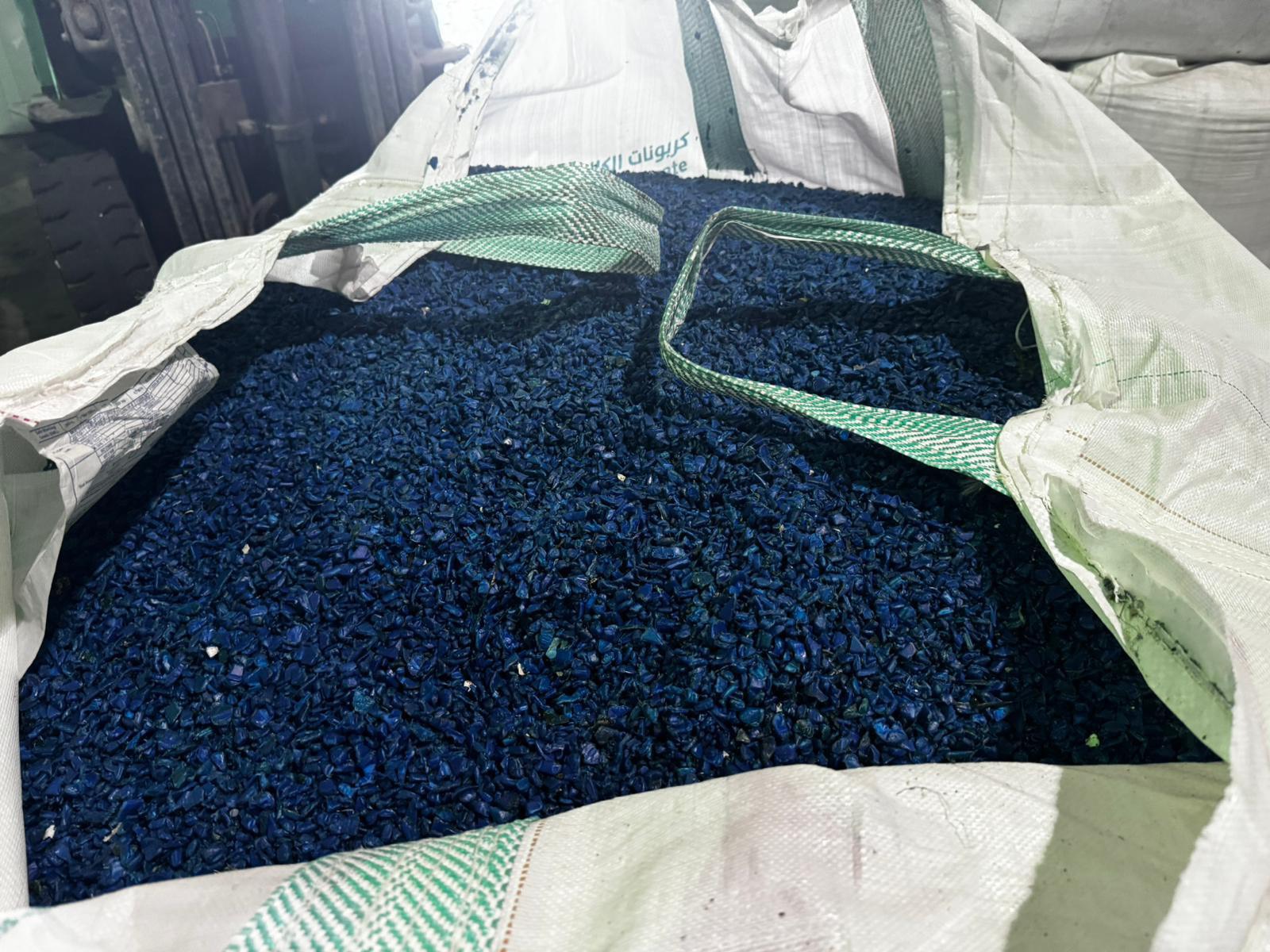
HDPE Regrind: The Recycled Resin
The global recycled plastics market crossed $57 billion in 2023 — and it shows no signs of slowing down. With virgin resin prices fluctuating and sustainability mandates tightening across industries, manufacturers and procurement teams are asking a sharper question: why pay full price for new material when regrind delivers comparable performance at a fraction of the cost? If you are in the plastic scrap trade, work in manufacturing, or manage raw material sourcing, HDPE Regrind is one commodity you cannot afford to overlook. Clean, versatile, and increasingly in demand, it has quietly become one of the most traded recycled materials in the secondary plastics market.
What is HDPE Regrind?
HDPE — High-Density Polyethylene — is one of the most widely used plastics on the planet. It shows up in industrial drums, detergent bottles, water pipes, bottle caps, crates, and hundreds of other applications. When post-industrial or post-consumer HDPE products reach end-of-life, they are shredded or granulated into irregular flakes and particles. The result is HDPE Regrind: a secondary raw material that retains much of the mechanical strength and chemical resistance of virgin HDPE while carrying a significantly lower price tag.
What makes regrind attractive is its range of applications. It can be blended with virgin resin to reduce input costs, used as a standalone feedstock for non-critical applications, or further processed into pellets for higher-spec manufacturing. For traders and recyclers operating in the plastic scrap trade, regrind represents a reliable volume commodity — one with consistent demand from compounders, pipe manufacturers, and injection molding operations looking to manage costs without compromising on material properties.
The key to working profitably with HDPE Regrind lies in understanding the source. Material quality, color consistency, contamination level, and melt flow index all vary depending on where the regrind originates — and that is where knowing your grades becomes essential.
HDPE Blue Drum Regrind and Bottle Cap Scrap:
Not all HDPE Regrind is created equal, and experienced buyers know that the origin of the material tells you everything about what you are working with. Two of the most commonly traded grades in the market are HDPE Blue Drum Regrind and HDPE Bottle Cap Scrap — each with distinct characteristics and end-use profiles.
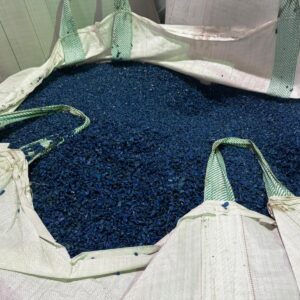
HDPE Blue Drum Regrind comes from the shredding of industrial blue drums — the kind used to store and transport chemicals, lubricants, and food-grade liquids across industries. Because these drums are thick-walled and manufactured to tight specifications, the regrind they produce tends to be clean, high-density, and relatively consistent in color. The blue colorway is not just cosmetic; it signals a specific production lineage that many buyers and compounders find reassuring. HDPE Blue Drum Regrind is widely used in pipe extrusion, blow molding, and profile applications where dimensional stability and impact resistance matter. For traders, it commands a premium over mixed-color or lower-grade HDPE regrind due to its predictability and processing performance.
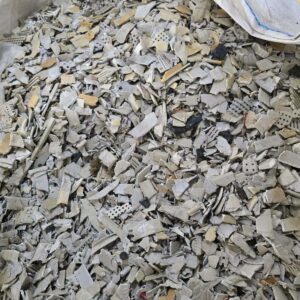
HDPE Bottle Cap Scrap, on the other hand, originates from post-consumer collection streams — specifically the small, high-density caps from water bottles, juice containers, and similar packaging. Bottle cap regrind is typically available in natural or mixed colors and tends to have a higher melt flow index than drum-sourced material, making it well-suited for injection molding applications. Recyclers and compounders targeting consumer goods or agricultural products often seek out bottle cap scrap for its flow characteristics and relatively low contamination when properly sorted. The availability of this grade is tied closely to municipal recycling infrastructure, making supply more variable — but demand remains steady.
For procurement professionals, understanding these distinctions is not just academic. It directly affects processing parameters, blending decisions, and ultimately the price you should expect to pay or offer.
HDPE Regrind Price:
One of the most common questions from buyers entering the HDPE scrap market is straightforward: what is the HDPE Regrind price today? The honest answer is that pricing is dynamic and influenced by several overlapping factors — but understanding those factors puts you in a far stronger negotiating position.
Virgin HDPE resin prices set the ceiling. When virgin material is expensive, demand for regrind rises and prices follow. When oil prices drop and virgin resin softens, regrind pricing adjusts accordingly. This relationship makes HDPE Regrind a commodity that rewards traders who track petrochemical markets alongside scrap.
Grade and cleanliness are equally critical. Natural or single-color regrind commands higher prices than mixed-color or contaminated material. HDPE Blue Drum Regrind, given its clean sourcing and processing consistency, typically sits at the higher end of the regrind price spectrum. Mixed post-consumer regrind, including some bottle cap streams, may trade at a discount depending on contamination levels and the extent of sorting required by the end buyer.
Geography and logistics also play a role. HDPE Regrind for sale in markets close to major compounding or manufacturing hubs tends to attract better offers simply because freight costs are lower and lead times are shorter. Export markets — particularly in Southeast Asia, Turkey, and parts of Africa — have shown strong appetite for quality HDPE regrind, providing additional pricing support for sellers with volume.
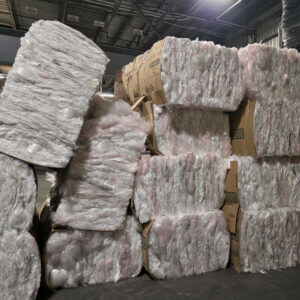
For buyers, getting competitive pricing means working with suppliers who can provide material data sheets, moisture content readings, and ideally melt flow index figures alongside their offers. For sellers, presenting well-sorted, consistently baled or packaged material significantly improves the speed and value of transactions.
Right Move in the HDPE Regrind Market
HDPE Regrind sits at a productive intersection of cost efficiency, material performance, and sustainability — a combination that is increasingly difficult to ignore in today’s sourcing environment. Whether you are a recycler building out your output grades, a trader looking for reliable volume commodities, or a procurement professional managing resin budgets, this material offers genuine value when approached with the right information.
The difference between a good deal and a missed opportunity in this market often comes down to knowing your grades, staying current on pricing drivers, and working with counterparts who understand the material as well as you do. HDPE Blue Drum Regrind and HDPE Bottle Cap Scrap each serve different downstream needs — and both have a place in a well-structured sourcing or sales strategy.
If you are currently looking for HDPE Regrind for sale, or you have inventory to move and want a realistic read on where HDPE Regrind price levels stand right now, reach out to discuss your specifications. Clean material, transparent grading, and straightforward trading — that is how good deals get done.
Reviews
There are no reviews yet.