
LDPE Film Bales and Rolls
Every year, millions of tonnes of plastic film wrap, stretch wrap, and agricultural sheeting move through global supply chains — and a significant portion of it never makes it to a recycling facility. In fact, flexible plastics remain one of the most under-recycled material streams in the world, not because demand is lacking, but because collection and processing infrastructure has historically struggled to keep pace. That gap, however, is closing fast. As compounders and film manufacturers increasingly turn to recycled feedstocks to hit sustainability targets and manage input costs, LDPE film scrap has moved from a secondary consideration to a primary sourcing category. If you are buying, selling, or processing plastic scrap, this is a market worth understanding deeply.
What is LDPE Film and Why Is It Traded in Bales and Rolls?
Low-Density Polyethylene — LDPE — is the polymer behind some of the most ubiquitous flexible packaging materials in circulation. Agricultural mulch film, greenhouse sheeting, industrial stretch wrap, bread bags, dry-cleaning bags, courier satchels, and retail carrier bags are all commonly produced from LDPE. The material is prized for its flexibility, toughness at low temperatures, and moisture resistance, which makes it ideal for wrapping, protecting, and containing products across virtually every industry.
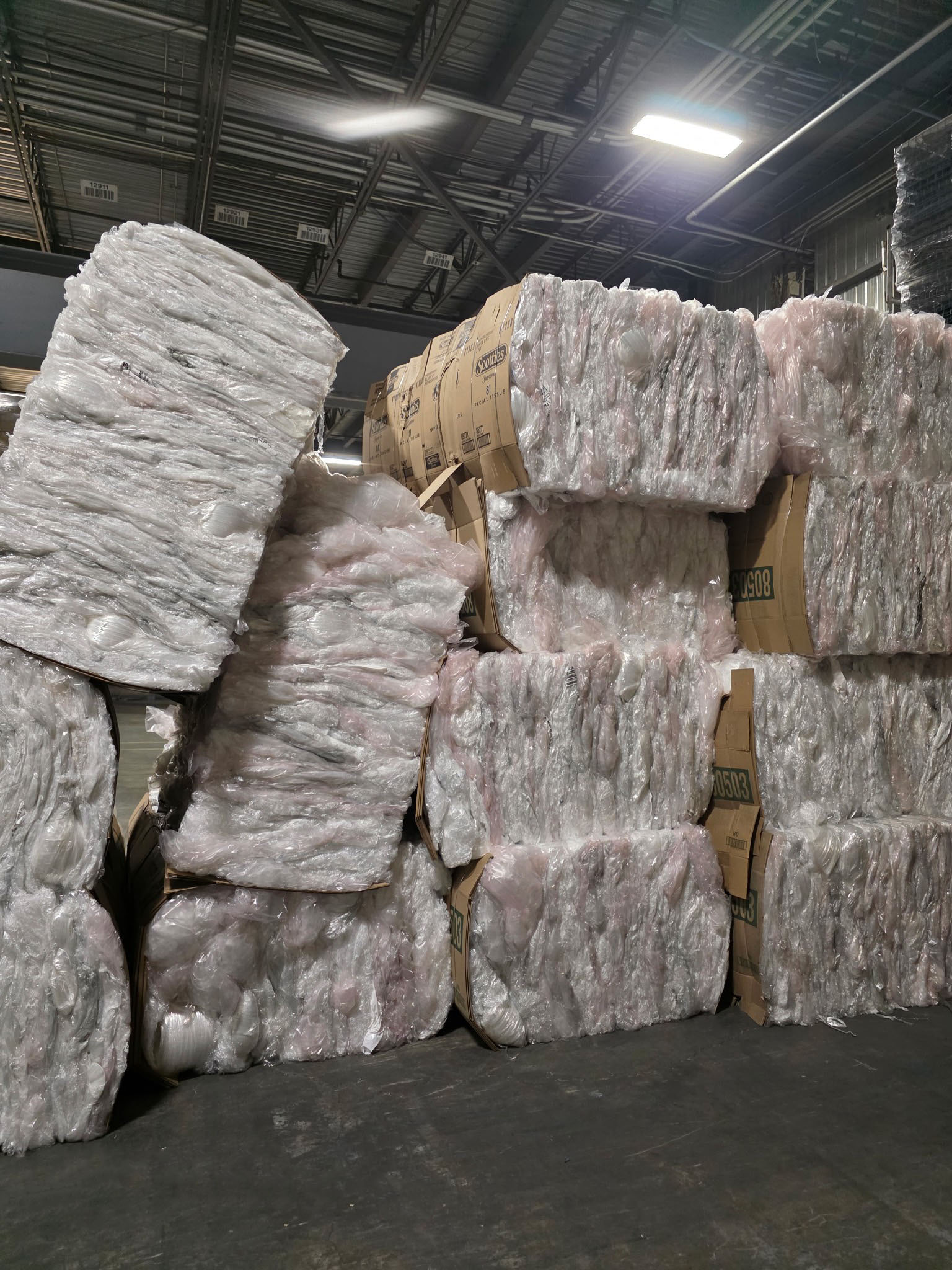
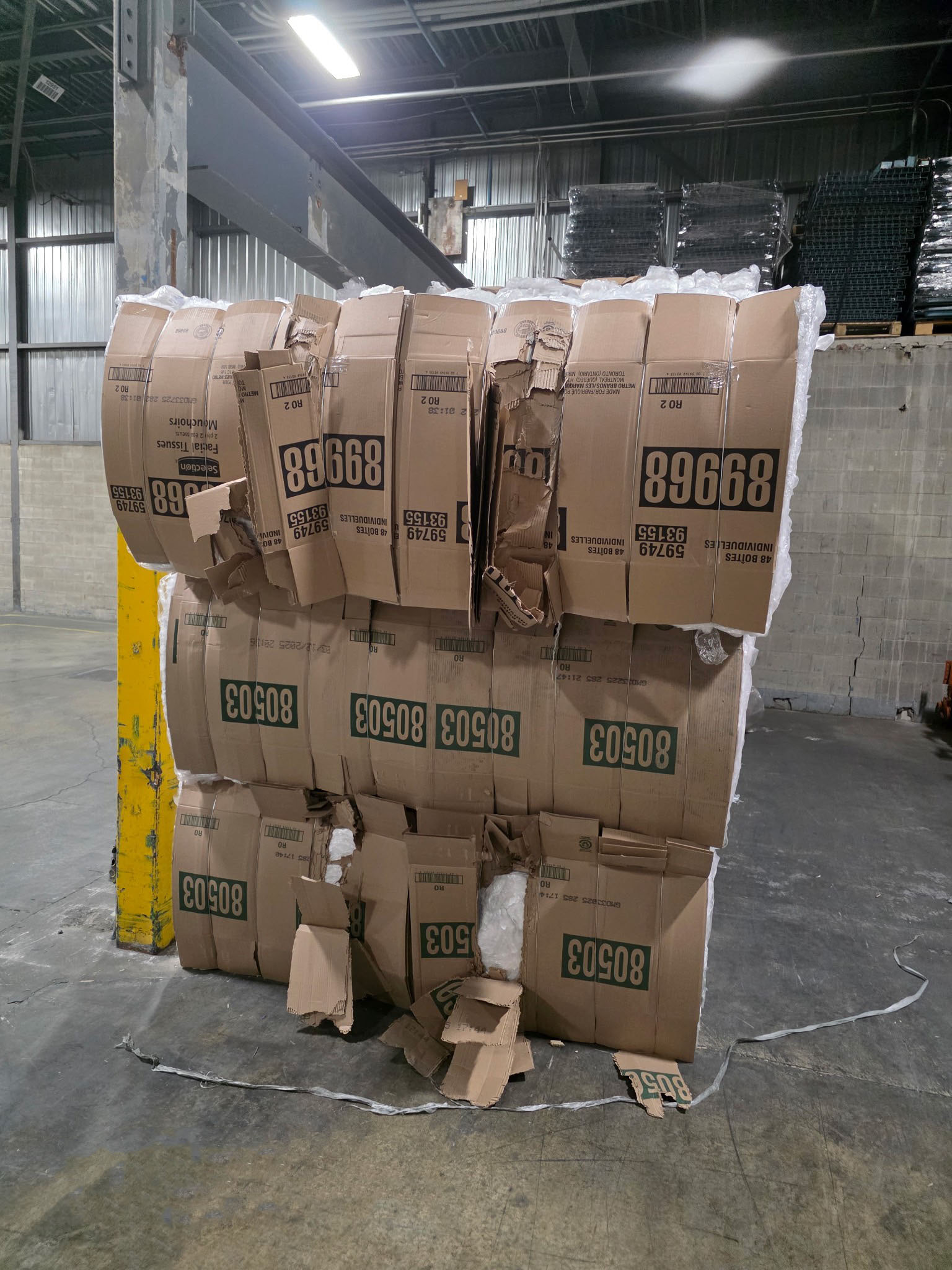
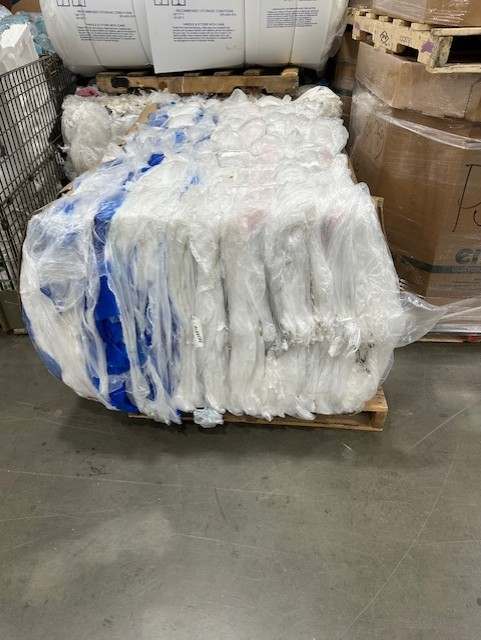
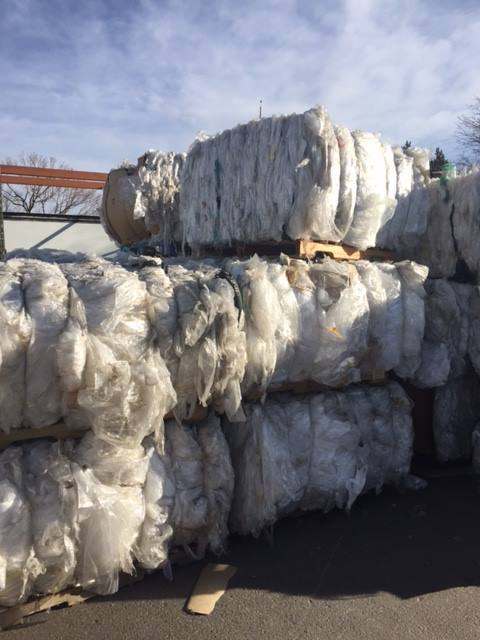
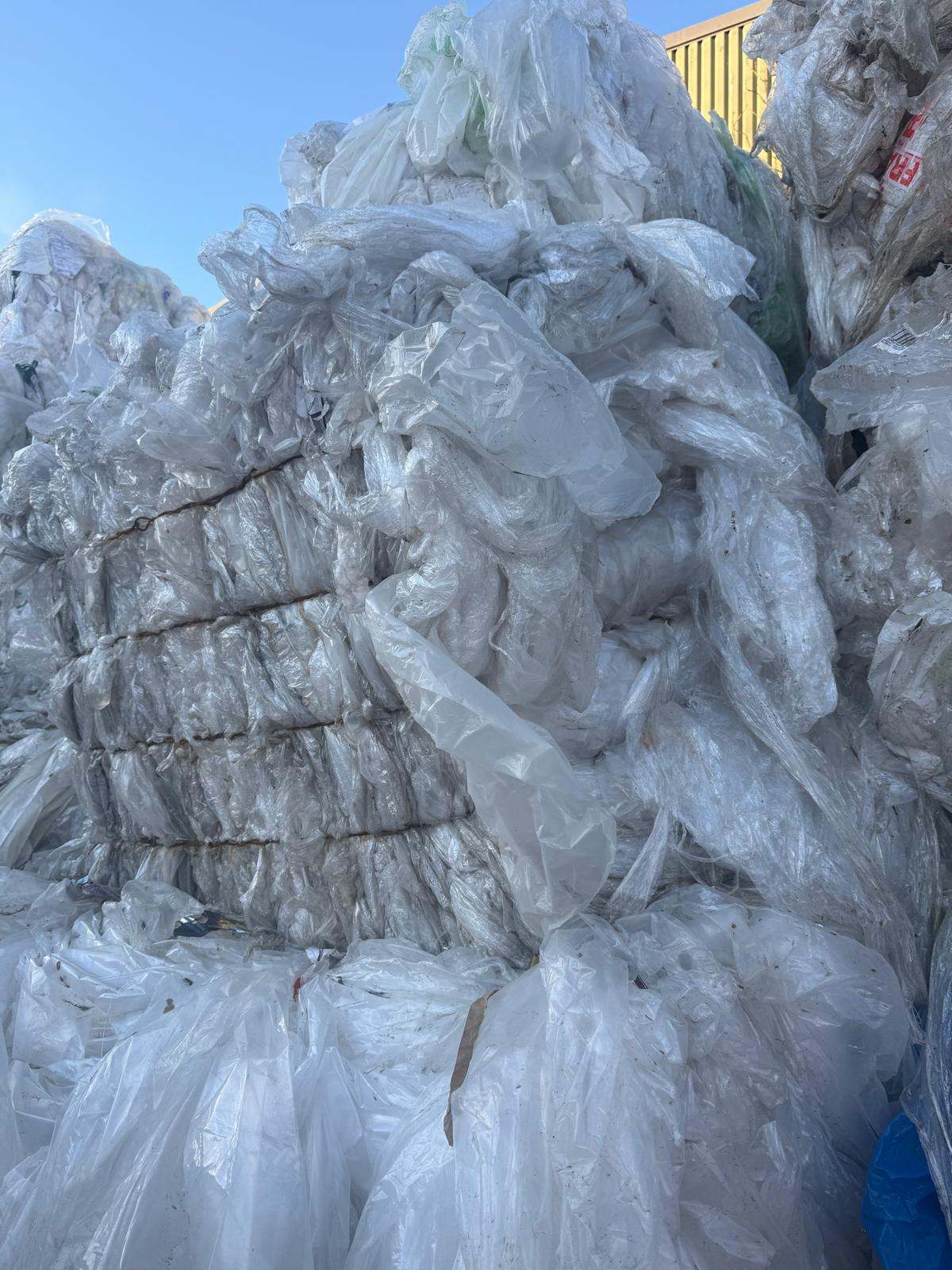
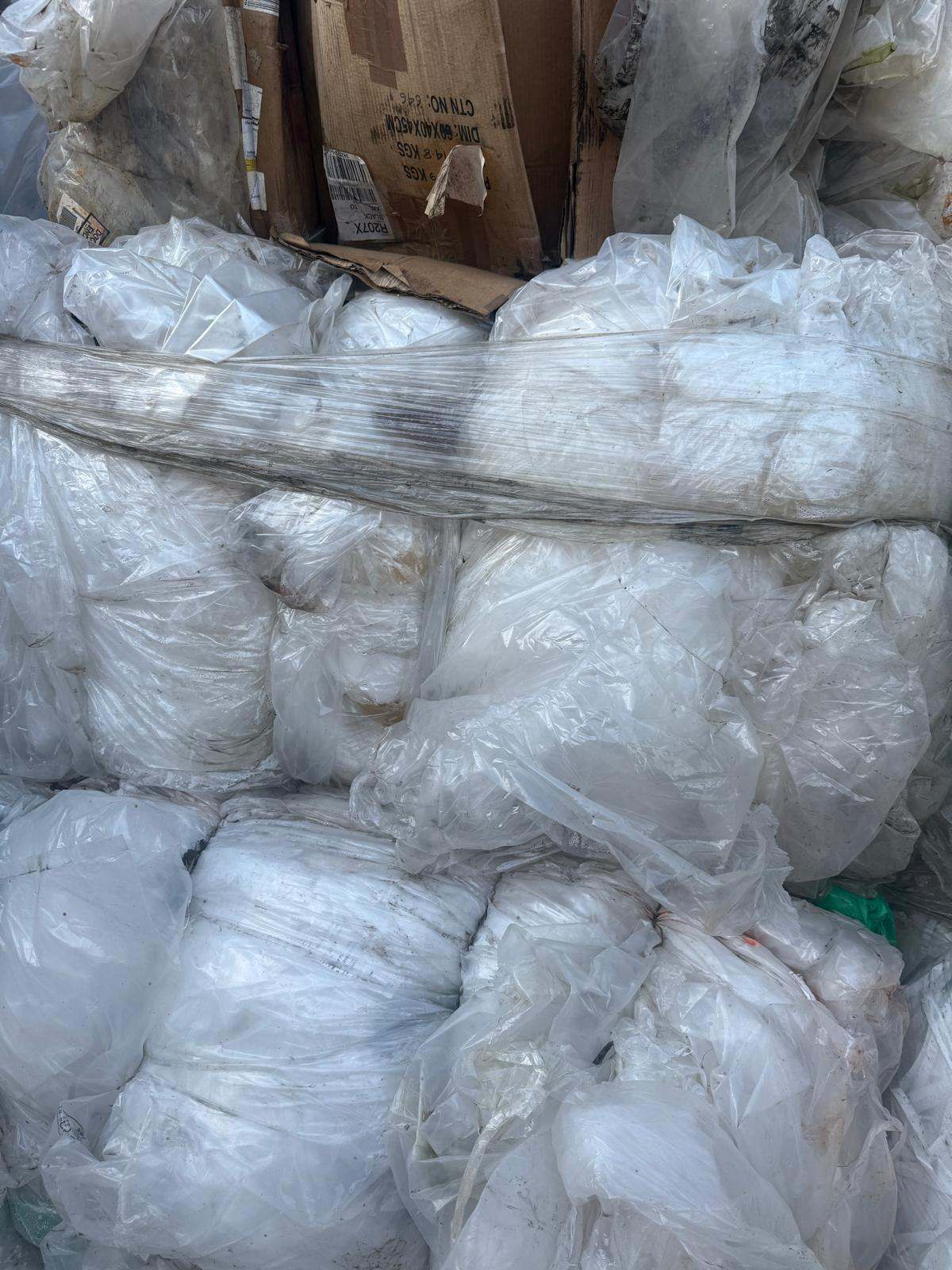
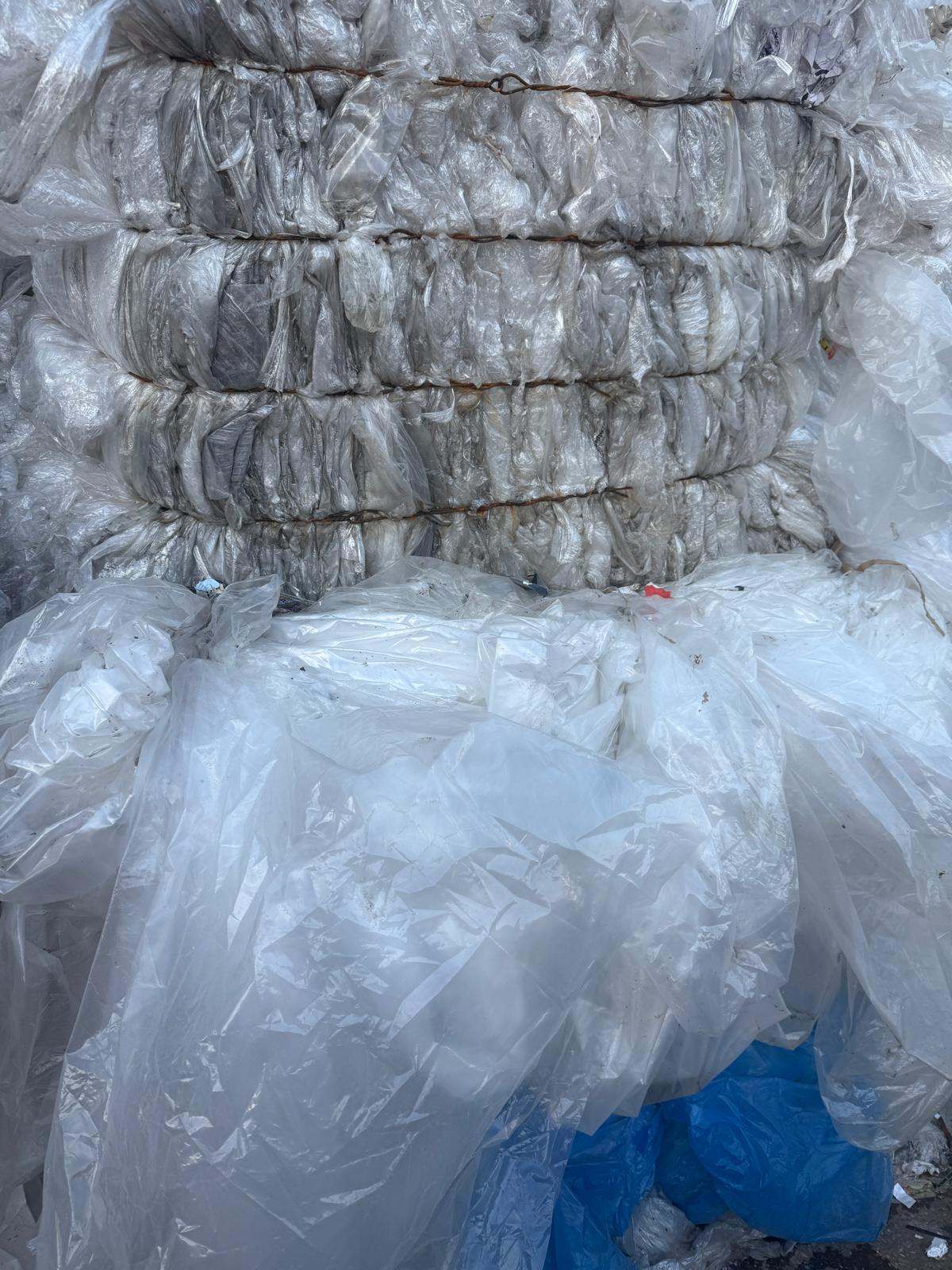
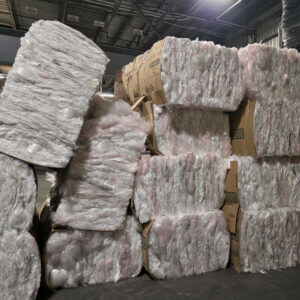
When LDPE film reaches end-of-life — whether from post-industrial trim waste, agricultural collection, or distribution centre cleanouts — it is compacted into one of two primary forms for transport and trade. LDPE Film Bales are the more common format in post-consumer and mixed-source streams. Film is collected, sorted to varying degrees, and compressed into dense rectangular bales using a hydraulic baler. Bale weights typically range from 300 to 600 kilograms depending on the press and the density of the material, and they are the standard trading unit for most bulk scrap transactions.
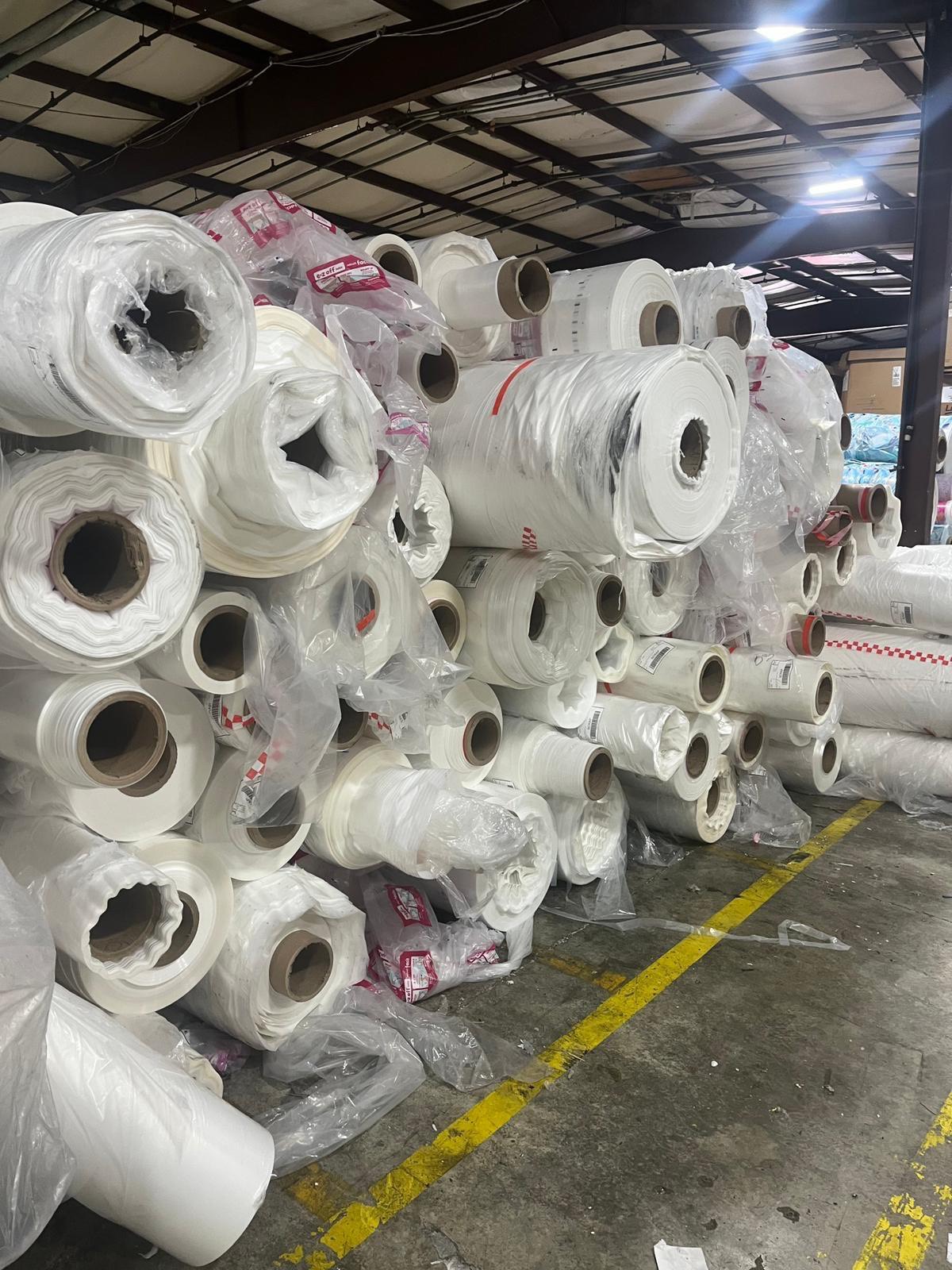
LDPE Film Roll material, by contrast, tends to originate from post-industrial sources — manufacturing offcuts, production line rejects, or unused sheeting from controlled environments like greenhouses or food processing facilities. Because this material comes from a cleaner, more traceable source, it often commands a premium and is preferred by compounders who need consistent melt flow characteristics and low contamination levels. Roll-form material is typically cleaner, more uniform in color, and easier to feed into washing and granulation lines, which translates directly into higher output quality and lower processing costs for the buyer.
Understanding the distinction between these two formats is not just a matter of logistics — it shapes pricing expectations, processing requirements, and the end markets the material can realistically serve.
LDPE Film Bales and Rolls: What Buyers and Recyclers Need to Know
For anyone actively sourcing or processing LDPE film scrap, quality assessment is where deals are made or broken. Unlike rigid plastics, film scrap is particularly sensitive to contamination. Dirt, moisture, food residue, labels, and mixed polymers can all degrade the output quality of recycled LDPE granules, pushing up washing costs and pulling down the value of finished regrind. Before committing to a purchase, experienced buyers look at several key parameters.
Contamination level is the first and most important indicator. Agricultural film, for instance, tends to carry high levels of soil and organic matter, which requires robust wet washing lines to process effectively. Industrial stretch wrap from distribution centres, on the other hand, is often significantly cleaner and may only require dry cleaning or light washing before granulation. When evaluating LDPE Film Bales, asking for photos, contamination estimates, and ideally a small sample before finalising a large order is standard practice among serious traders.
Color consistency matters too, particularly for buyers supplying compounders or manufacturers with specific product requirements. Natural or clear film scrap is the most versatile and commands the best prices. Black film — common in agricultural mulch applications — is more limited in its downstream applications and typically trades at a discount. Mixed-color bales occupy the middle ground and are widely traded, though buyers should factor in the cost of sorting or the limitations it places on end-product color.
Moisture content is another variable that affects both pricing and processing. Film scrap that has been stored outdoors or poorly baled can absorb significant moisture, which adds dead weight to a shipment and increases drying costs at the processing facility. Reputable suppliers will bale material promptly and store it under cover — and buyers should not hesitate to ask about storage conditions before agreeing to terms.
For recyclers building out their processing capabilities, LDPE film is a high-volume, repeatable stream. Partnering with consistent suppliers — agricultural cooperatives, logistics companies, large retailers, or film manufacturers — creates a reliable feedstock pipeline that supports stable granule production and predictable sales volumes.
LDPE Film Scrap Price Per Ton: Reading the Market Clearly
Pricing for LDPE film scrap is one of the more nuanced corners of the plastic scrap market, and getting it right requires tracking multiple variables simultaneously. The LDPE Film scrap price per ton varies considerably based on grade, origin, cleanliness, color, and current demand from compounders and granulators — and it moves in response to both virgin polymer pricing and regional market conditions.
At the top of the pricing spectrum sits clean, post-industrial LDPE Film Roll material in natural or clear color. This grade attracts the highest offers because it requires the least processing, produces the most consistent output, and is suitable for the widest range of downstream applications including film-to-film recycling, which has grown significantly as brand owners push closed-loop commitments. When LDPE Film Scrap for Sale is described as post-industrial, clear, and low-moisture, buyers should expect to pay — and sellers should expect to receive — a meaningful premium over mixed or agricultural-grade material.
Mixed-color or lightly contaminated LDPE Film Bales sit in the mid-range and represent the bulk of traded volume globally. These are the workhorses of the market — consistent in availability, broadly accepted by granulators, and priced in a range that makes them viable for export as well as domestic processing. Heavily contaminated agricultural film typically occupies the lower end of the price range, though demand remains solid in markets with purpose-built wet washing infrastructure.
Geography shapes pricing just as much as quality does. LDPE film scrap for sale in regions with strong recycling infrastructure and high domestic demand — Western Europe, parts of North America, and certain Asian markets — tends to be absorbed locally at competitive prices. In regions where processing capacity is limited, export pricing to major import markets in Southeast Asia or Turkey can offer better net returns for sellers who can manage logistics efficiently. Tracking freight rates alongside scrap prices is essential for anyone operating cross-border in this space.
Positioning Yourself to Win in the LDPE Film Market
The LDPE film scrap market rewards preparation, transparency, and relationships built on consistent material quality. Whether you are a recycler processing film into granules, a trader moving volume between supply regions, or a procurement professional integrating recycled feedstock into a manufacturing operation, the fundamentals remain the same: know your grades, verify your sources, and price based on what the material can actually deliver downstream.
LDPE Film Bales and LDPE Film Roll material each serve distinct buyer profiles — and together they cover a broad spectrum of processing capabilities and end-use requirements. With demand for recycled LDPE growing steadily alongside tightening sustainability commitments from major brands and manufacturers, the window for building strong supply positions in this market is wide open.
If you are looking for LDPE Film Scrap for Sale or want a current read on LDPE film scrap price per ton for specific grades, get in touch with your material specs. Clean sourcing, honest grading, and straightforward deals are always the starting point.
Reviews
There are no reviews yet.