
PVC Regrind: The Complex Commodity
Of all the major commodity plastics traded in the secondary market, PVC is the one that generates the most caution — and arguably the most misplaced caution. Polyvinyl Chloride has a complicated environmental narrative, a chemically diverse formulation landscape, and a recycling infrastructure that varies enormously by region. Yet global PVC production exceeds 45 million tonnes annually, making it the third most widely produced synthetic plastic in the world, and the downstream demand for quality recycled PVC inputs from pipe manufacturers, cable compounders, flooring producers, and profile extruders is real, consistent, and growing. For traders, recyclers, and procurement professionals who take the time to understand this material properly, PVC regrind scrap is a commodity with genuine commercial depth — one where knowledge translates directly into competitive advantage.
Understanding PVC Regrind:
PVC is not a single material — it is a polymer that is almost always used in combination with a range of additives that fundamentally alter its properties and, critically, its recyclability. The distinction between rigid PVC and flexible PVC is the starting point for any serious conversation about PVC regrind scrap, and confusing the two in a trading or processing context creates problems that are difficult and expensive to resolve downstream.
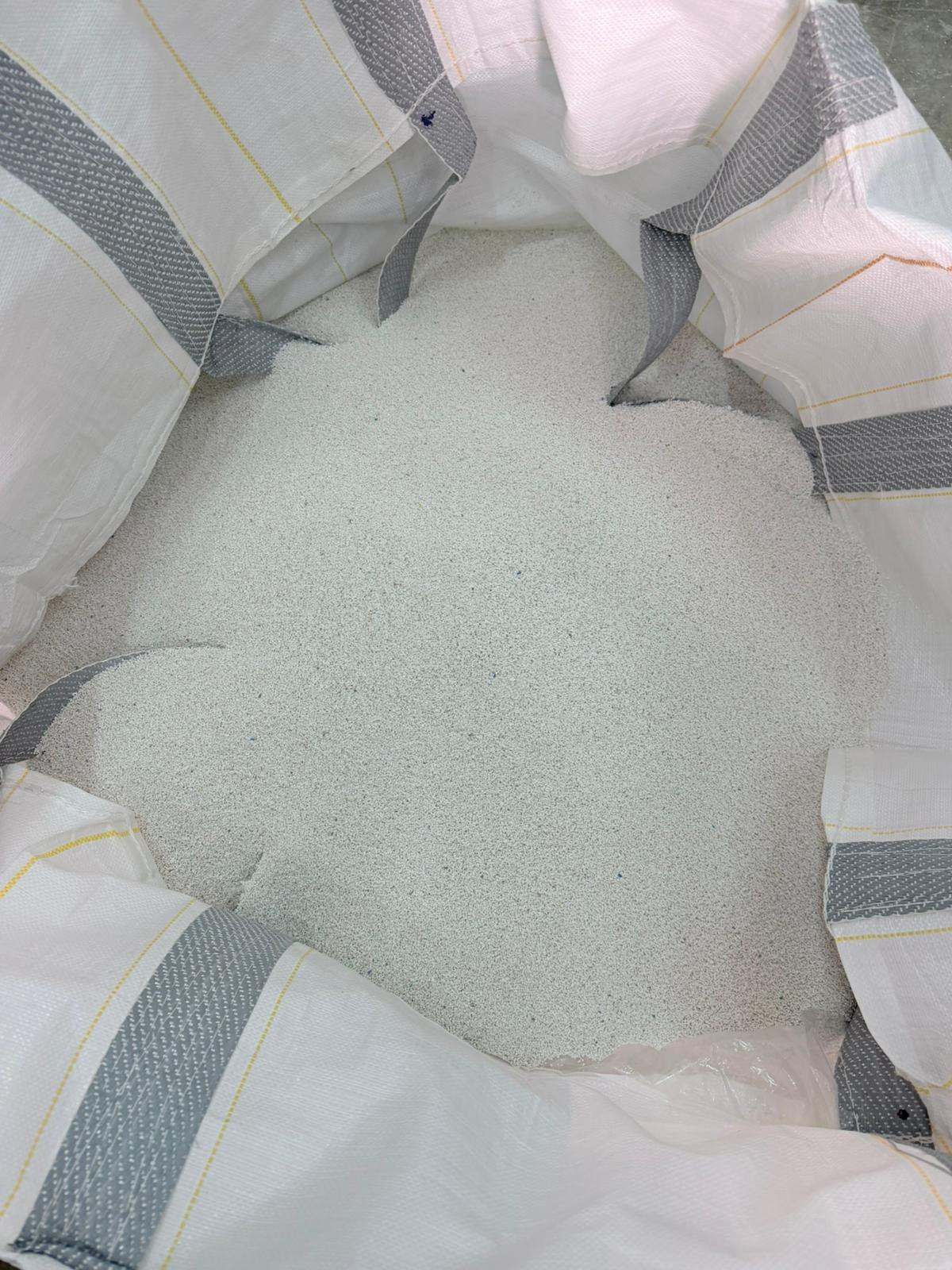
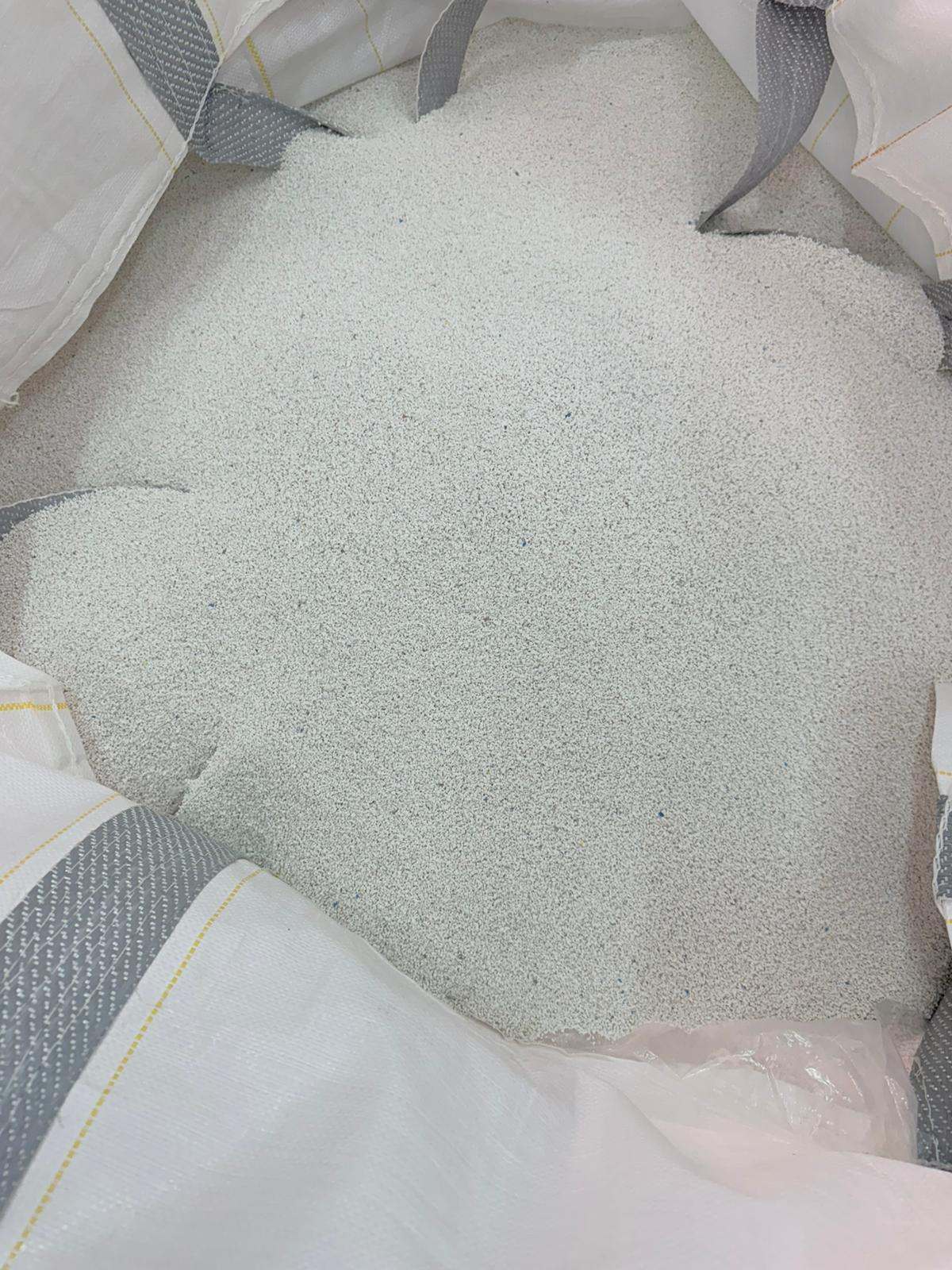
Rigid PVC — uPVC — is the formulation used in window profiles, door frames, pipe and fittings, guttering, and construction cladding. It contains minimal plasticiser, which gives it its characteristic stiffness and dimensional stability. Rigid PVC regrind from window profile or pipe sources is among the most processable and widely accepted grades in the secondary market. The formulation is relatively consistent within each application category, contamination from non-PVC materials is manageable with proper sorting, and the end market — primarily pipe and profile extrusion — is well established and maintains steady demand. For a PVC regrind supplier working with construction or demolition waste streams, rigid PVC is the grade that offers the clearest path from scrap collection to commercial sale.
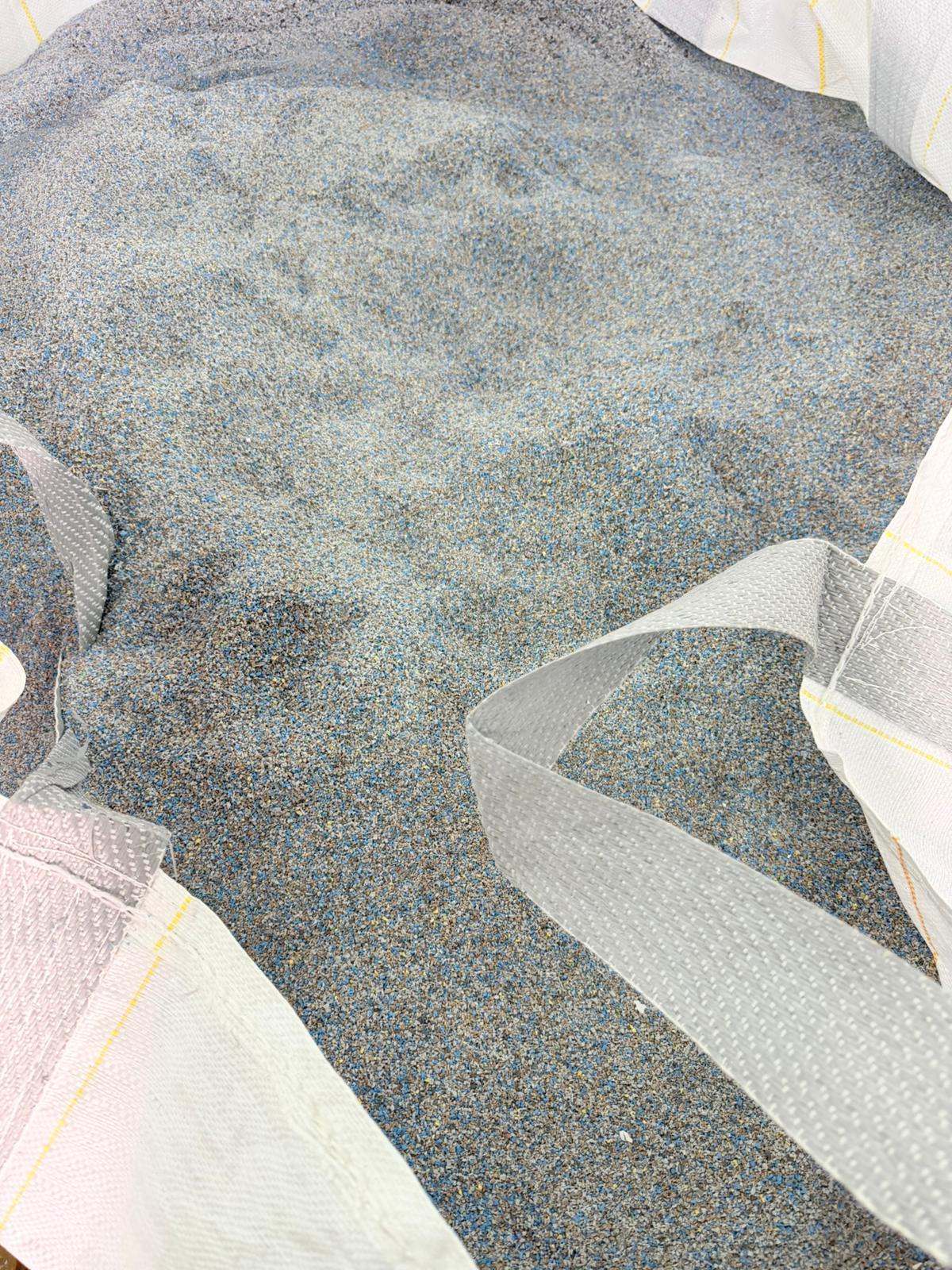
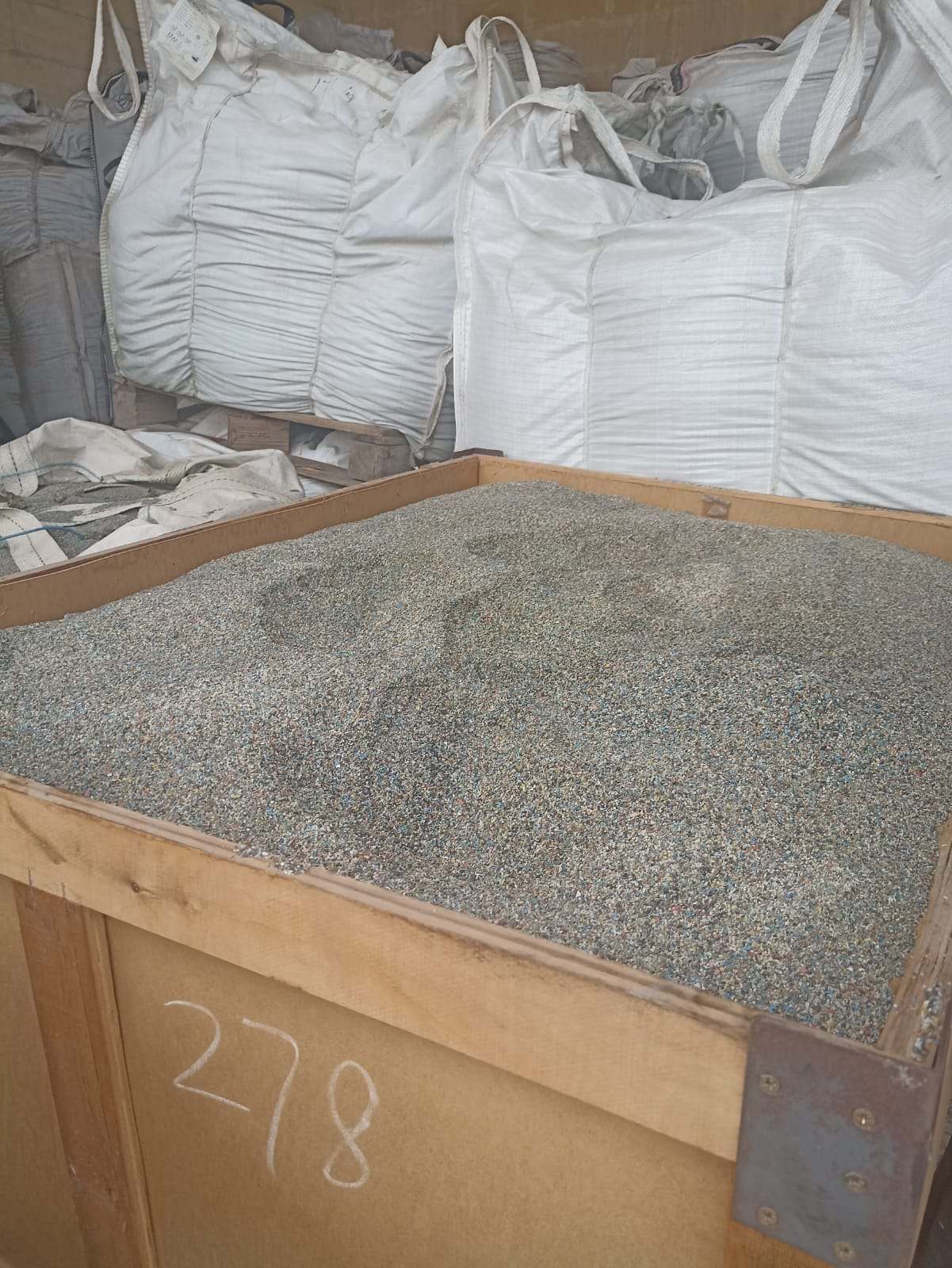
Flexible PVC is a fundamentally different material. The addition of plasticisers — historically phthalates, increasingly replaced by alternative plasticiser chemistries under regulatory pressure — gives flexible PVC its characteristic softness and pliability. It is used in cable insulation and sheathing, flooring and vinyl tiles, medical tubing, automotive interior components, and a wide range of industrial hose and sealing applications. Flexible PVC regrind can be highly valuable when properly sourced and graded — cable compound regrind from telecommunications or power cable recycling, for instance, attracts strong interest from cable compounders looking to reduce virgin compound costs. However, the plasticiser content, stabiliser systems, and additive packages vary significantly between applications and manufacturers, which means flexible PVC regrind requires careful characterisation before it can be confidently placed with a buyer.
Stabiliser chemistry adds another layer of complexity that any credible PVC regrind supplier must navigate transparently. Older PVC formulations — particularly in window profiles and pipes manufactured before the early 2000s — frequently used lead-based stabiliser systems that are now regulated or banned in most markets. Material from these sources cannot be recycled into applications where lead content limits apply, which in practice covers most consumer-facing and food-adjacent end uses. Calcium-zinc stabilised PVC, which has become the industry standard in Europe and is gaining ground globally, produces regrind with a much broader range of acceptable end applications. Documenting stabiliser type alongside other material specifications is not bureaucratic box-ticking — it is a commercial necessity for anyone serious about placing PVC regrind for sale into quality-conscious markets.
PVC Regrind Price:
PVC regrind price dynamics are shaped by a distinct set of factors compared to polyolefin scrap markets, and buyers and sellers who apply HDPE or PP pricing logic to PVC transactions often find themselves mispricing material in both directions. Understanding what actually drives value in this market is essential for anyone transacting with any regularity.
Virgin PVC compound pricing sets the reference ceiling, but the relationship between virgin and recycled PVC pricing is more application-specific than in most other plastic categories. Because PVC is always compounded with additives rather than used as a pure polymer, the relevant comparison for a buyer is not virgin PVC resin but the specific virgin compound formulation that the regrind would replace. A cable compounder comparing flexible PVC regrind against their virgin compound cost is working with a very different price reference than a pipe manufacturer evaluating rigid uPVC regrind against their extrusion compound cost. Sellers who understand their buyer’s cost structure are better positioned to price competitively while protecting margin.
Additive compatibility is a pricing variable unique to PVC that has no real parallel in the polyolefin market. Regrind that is chemically compatible with a buyer’s existing formulation — matching stabiliser type, plasticiser chemistry, and filler loading — commands a meaningful premium over material that requires reformulation work to integrate. This is why PVC regrind for sale from single-source, well-documented streams consistently outperforms mixed or unknown-origin material at auction or in spot market transactions. The buyer is not just purchasing polymer — they are purchasing processing predictability, and that has quantifiable value on a production line.
Color is a pricing factor that operates differently in PVC than in most other plastic scrap categories. Because PVC compounds are typically pigmented to specific colors for their end application, regrind color directly limits reuse options. Grey cable compound regrind, for example, is broadly accepted across cable and profile applications where grey or black output is acceptable. White or light grey rigid PVC regrind from window profile sources is similarly versatile. Dark or mixed-color flexible PVC from construction waste streams is more restricted in its downstream options and prices accordingly. For recyclers and traders building a PVC regrind business, investing in color segregation at the sorting stage is one of the most direct routes to improved realised pricing.
Regional market dynamics also influence PVC regrind price in ways that create genuine arbitrage opportunities for well-connected traders. European markets — particularly Germany, the Netherlands, and the UK — have mature PVC recycling infrastructure supported by industry take-back schemes like Recovinyl, which creates structured supply and relatively transparent pricing benchmarks. Export markets in Turkey, Southeast Asia, and North Africa absorb significant volumes of European PVC regrind scrap, and understanding the freight economics alongside local processing capacity helps traders identify when cross-border transactions offer better net returns than domestic placement.
Reliable Position in the PVC Regrind Market
PVC regrind rewards exactly the kind of disciplined, informed approach that separates serious market participants from opportunistic ones. The chemical complexity that makes PVC a more demanding commodity to trade is also what creates the knowledge premium — buyers and sellers who invest in understanding formulation chemistry, stabiliser compliance, and application-specific quality requirements consistently outperform those who treat it as a generic plastic scrap category.
The market for quality PVC regrind for sale is active, globally connected, and increasingly driven by sustainability commitments from major PVC product manufacturers who have made recycled content pledges that require reliable secondary material supply. That demand is structural and growing, which means well-positioned recyclers and traders with consistent, documented material are operating in a market that is moving in their favour.
Whether you are a recycler with a consistent stream of rigid or flexible PVC scrap looking for the right processing and sales pathway, a procurement professional seeking a dependable PVC regrind supplier for a compounding or extrusion operation, or a trader looking to better understand current PVC regrind price levels for specific grades and regions, the conversation starts with your material specifications. Reach out with your grade details, volumes, and requirements — clean material, honest documentation, and straightforward transactions are always the foundation of a good deal.
Reviews
There are no reviews yet.