
PS Regrind: The Misunderstood Plastic
Polystyrene has a reputation problem. Years of negative headlines about single-use foam packaging and low recycling rates have left many traders and procurement professionals treating PS as a second-tier scrap commodity — one to handle only when nothing better is available. The data tells a more nuanced story. Global polystyrene production sits at over seven million tonnes annually, a significant portion of which moves through post-industrial channels as clean, processable scrap. Compounders serving the electronics, appliance, and construction sectors maintain steady demand for quality recycled PS inputs, and the gap between available supply and well-presented material is wider than most market participants realise. For recyclers and traders willing to look past the reputation and engage with the material on its actual merits, GPPS/HIPS regrind offers a legitimate and underappreciated opportunity.
What is PS Regrind?
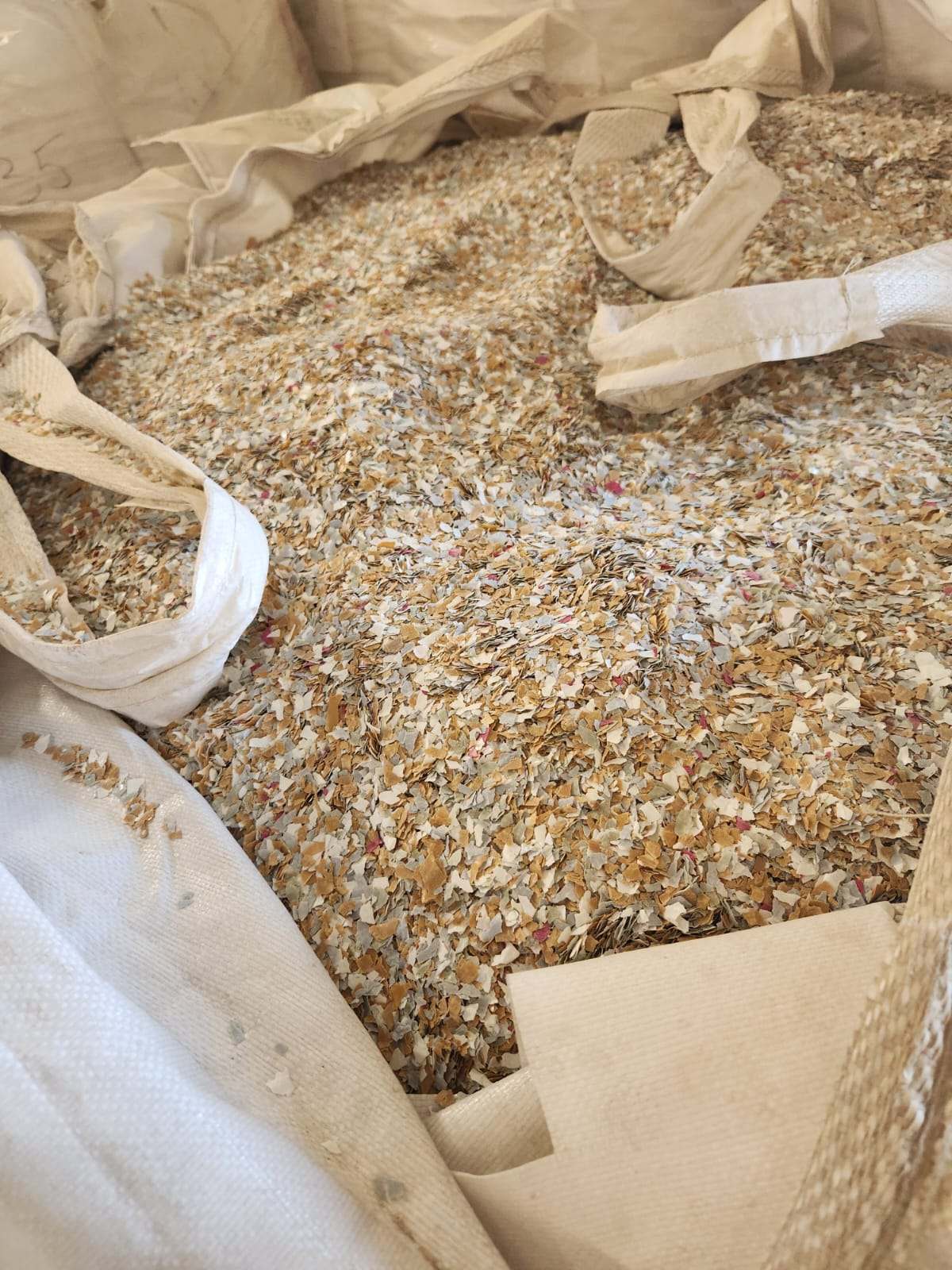
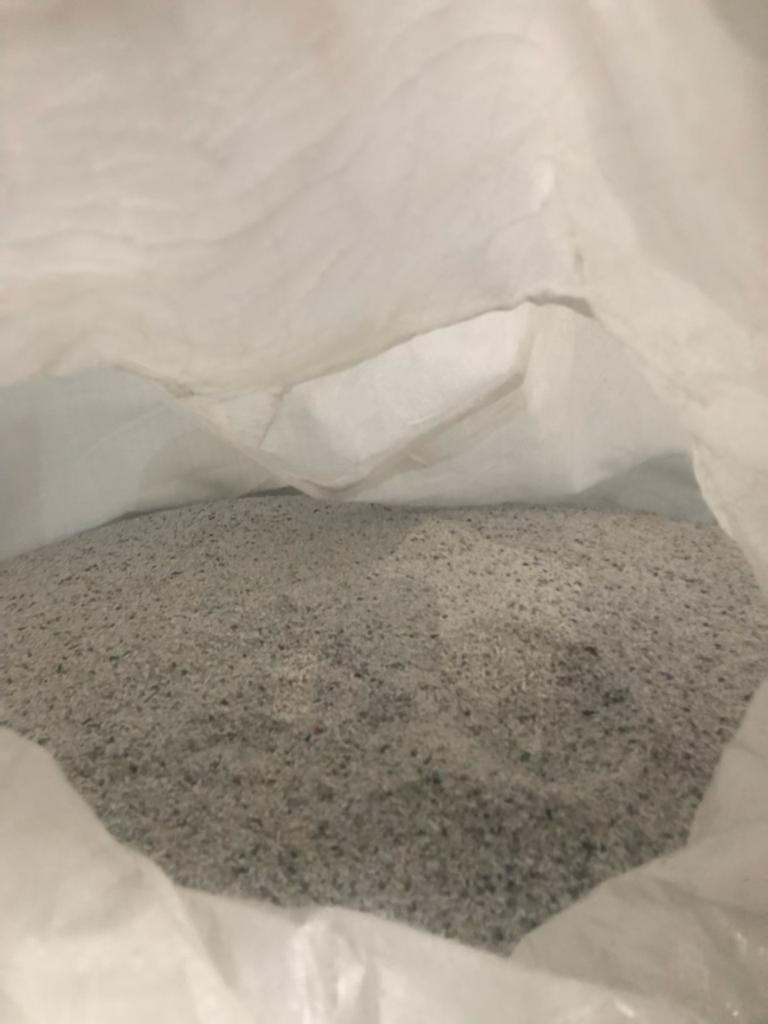
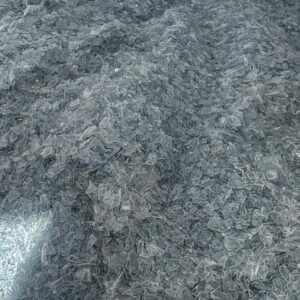
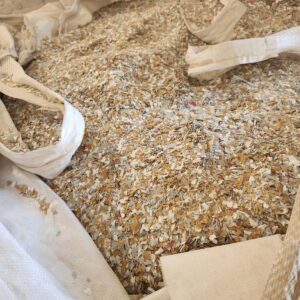
Polystyrene regrind is produced by granulating or shredding post-industrial or post-consumer polystyrene into irregular particles or flakes that can be reprocessed as a secondary raw material. The source material spans a broad range of applications — injection moulded casings for consumer electronics and appliances, extruded sheet used in food service trays and display packaging, rigid foam used in construction insulation, and the expanded polystyrene commonly associated with protective packaging. Each of these source streams produces regrind with distinct characteristics, and understanding the differences is foundational to trading or processing PS scrap profitably.
High Impact Polystyrene — HIPS — is the most widely traded grade in the PS regrind market. It originates primarily from the casings of televisions, monitors, printers, and household appliances, as well as from refrigerator liners and dairy packaging. HIPS regrind is tougher and more impact resistant than general purpose PS, making it suitable for injection moulding applications where some mechanical demand exists. It is typically available in black — the dominant color in electronics casings — as well as white and grey from appliance sources. Black HIPS regrind from electronics is the single largest volume grade in the polystyrene regrind market and commands consistent demand from compounders across Asia, Europe, and the Middle East.
General Purpose Polystyrene — GPPS — regrind is clearer and more brittle than HIPS, originating from applications like disposable cups, CD and DVD cases, laboratory consumables, and clear packaging trays. Because of its clarity and relatively tight processing requirements, clean GPPS regrind attracts a specific buyer profile — typically compounders or manufacturers producing items where optical properties or surface finish matter. It trades in lower volumes than HIPS but can command strong pricing when material quality and clarity are well maintained through the recycling process.
Expanded Polystyrene — EPS — occupies a separate processing pathway entirely. Because of its extremely low bulk density, EPS scrap requires densification — either through compaction or hot melting — before it becomes viable to transport and trade. Densified EPS blocks or ingots are a growing trade category as collection infrastructure improves, but they require dedicated equipment and are generally handled by specialist processors rather than generalist regrind operations.
Quality Variables, Contamination, with Polystyrene Regrind Suppliers
For anyone sourcing PS regrind or evaluating polystyrene regrind suppliers, the quality conversation centres on a handful of variables that directly determine how the material will perform on a downstream processing line and what price it can realistically command in the market.
Flame retardant content is the most consequential quality issue in the HIPS regrind trade, and it is one that responsible polystyrene regrind suppliers must address transparently. Older electronics — particularly televisions and monitors manufactured before the mid-2000s — were produced with brominated flame retardants that are now regulated under the Stockholm Convention and various national chemical frameworks. HIPS regrind containing legacy brominated flame retardants cannot legally be used in many end applications and is excluded from an increasing number of buyer specifications globally. Sellers of electronics-sourced HIPS should be prepared to provide information on the age and origin of source material, and buyers should include flame retardant screening as a standard part of their incoming quality process.
Color consistency is the next major variable. For polystyrene regrind destined for visible components or surface-finish-sensitive applications, color uniformity matters significantly. Black HIPS regrind from well-sorted, single-source electronics streams is highly consistent and broadly accepted. Mixed-color or contaminated HIPS — arising from poorly sorted collection streams — creates reprocessing challenges and limits the range of applications the output material can serve. Natural or clear GPPS regrind is particularly sensitive to color contamination since even small quantities of off-color material are visible in the final product.
Residual contamination from labels, adhesives, metal fasteners, and non-PS plastic components is another area where the gap between well-processed and carelessly processed material shows up clearly in pricing and buyer acceptance. Electronics disassembly operations that invest in thorough component separation before shredding produce cleaner HIPS regrind that requires less reprocessing by the buyer and commands measurably stronger pricing as a result. For traders sourcing polystyrene regrind for sale across multiple supply points, implementing incoming quality checks — visual inspection, density testing, and basic melt flow assessment — before blending or reselling material is a straightforward way to protect both margin and reputation.
Melt flow index is an increasingly common specification requirement from compounders purchasing PS regrind, particularly for injection moulding applications where consistent processing parameters are essential for production efficiency. Sellers who can provide MFI data alongside material samples are signalling technical competence that resonates strongly with sophisticated buyers and supports premium pricing.
Navigating Polystyrene Regrind for Sale
The market for polystyrene regrind for sale is genuinely global, with significant trade flows moving from collection-strong markets in Europe, North America, and Japan to processing and manufacturing hubs in Southeast Asia, Turkey, and India. Electronics recycling regulations in developed markets have created a structured supply of end-of-life appliances and consumer electronics that feeds the HIPS regrind supply chain with relatively consistent volumes, while ongoing construction activity in emerging markets sustains demand for recycled PS inputs in insulation and building products.
Pricing for PS regrind is anchored to virgin polystyrene benchmarks but discounted to reflect processing requirements and application limitations relative to virgin material. Clean, flame-retardant-free black HIPS regrind from documented electronics sources consistently achieves the strongest pricing in the polystyrene regrind market. Mixed or contaminated material, or regrind from unknown sources where flame retardant status cannot be confirmed, trades at a significant discount — and in some markets, finds no buyer at all as regulatory scrutiny tightens. The direction of travel in this market is clear: documentation, traceability, and chemical compliance are moving from differentiators to baseline requirements, and suppliers who get ahead of that curve now will be better positioned as standards continue to tighten.
The Case for Taking PS Regrind Seriously
Polystyrene regrind is not the most glamorous commodity in the plastic scrap market, but it is a material with real demand, established trade infrastructure, and genuine value for buyers and sellers who approach it with the right level of preparation and transparency. The reputation challenge that PS faces at a consumer level has, if anything, created a less crowded competitive landscape for traders and recyclers operating at the industrial and commercial end of the market — which means well-presented, well-documented material stands out more clearly than it might in a more heavily traded scrap category.
Whether you are a recycler with a consistent stream of electronics or appliance-sourced HIPS, a compounder actively looking for polystyrene regrind suppliers with verifiable material quality, or a trader exploring polystyrene regrind for sale to diversify your commodity portfolio, the fundamentals of this market reward preparation and grade discipline. Reach out with your specifications, volumes, and sourcing questions — and let’s find the right fit for your operation.
Reviews
There are no reviews yet.