
PP Super Sack Bales: Reusable Big Bags Scraps
Walk through any industrial facility, agricultural operation, or construction site and you will find them stacked in corners, folded against warehouse walls, or piled outside loading bays — the large woven bulk bags that move everything from cement and sand to animal feed and chemical powders across global supply chains. PP super sack bales, also known as FIBCs — Flexible Intermediate Bulk Containers — are one of the most widely used industrial packaging formats on the planet, with global production running into the hundreds of millions of units annually. And yet, despite their abundance and the well-established recyclability of the polypropylene they are made from, supersack scrap remains one of the more underserved material streams in the plastic recycling market. For traders and recyclers who recognise that gap, the opportunity is genuine and growing.
What are PP Super Sack Bales Scrap?
A PP super sack is a large woven bag typically constructed from strips of oriented polypropylene tape, designed to hold between 500 and 2,000 kilograms of bulk material. They are used extensively across agriculture, construction, mining, chemicals, and food processing — anywhere that bulk dry goods need to be stored, transported, or handled efficiently. Their strength-to-weight ratio is exceptional, their cost relative to alternatives is low, and their versatility has made them a global logistics staple.
From a recycling standpoint, the polypropylene used in supersack construction is a valuable secondary raw material. PP is one of the most widely recycled thermoplastics in the world, with established demand from compounders, injection moulders, and film producers. Woven PP from supersacks and PP sacks carries a high polymer content and, when properly processed, can yield regrind or pellets suitable for a range of non-food applications including drainage pipe, garden furniture, automotive parts, and industrial packaging. The challenge — and the opportunity — lies in the processing requirements that sit between a used supersack and a usable recycled PP output.
Contamination is the defining variable in supersack scrap. Because these bags are used to carry bulk goods, the inner surfaces accumulate residues of whatever product they held — cement dust, fertiliser, flour, chemical powders, or mineral concentrates. The nature and extent of that contamination determines processing complexity, output quality, and ultimately the price a buyer is willing to pay. Clean, single-use supersacks from controlled industrial environments are a very different proposition to heavily soiled agricultural bags that have held multiple product types across a working season. Sellers who understand and communicate this distinction clearly will always find a more receptive market than those who present mixed-quality material without specification.
PP Super Sack Bales and Loose Material:
In practice, Polypropylene super sacks enter the scrap market in two primary formats, each with its own logistics profile and buyer requirements. Loose or folded supersacks — typically palletised or containerised without compression — are common from industrial generators who collect used bags as a byproduct of their operations. This format is straightforward to handle at source but volumetrically inefficient for transport, which limits the economics of moving material over long distances without further processing.
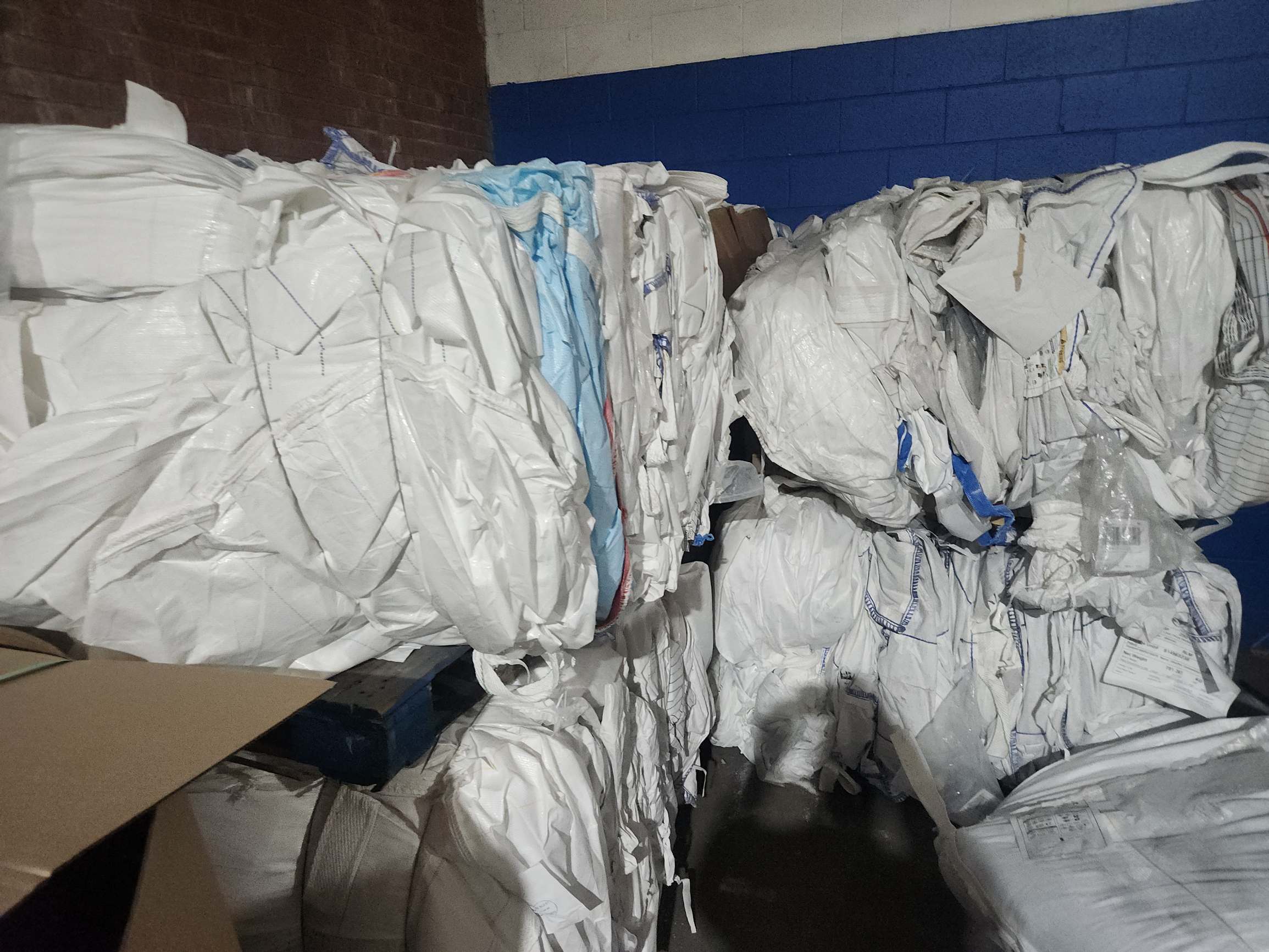
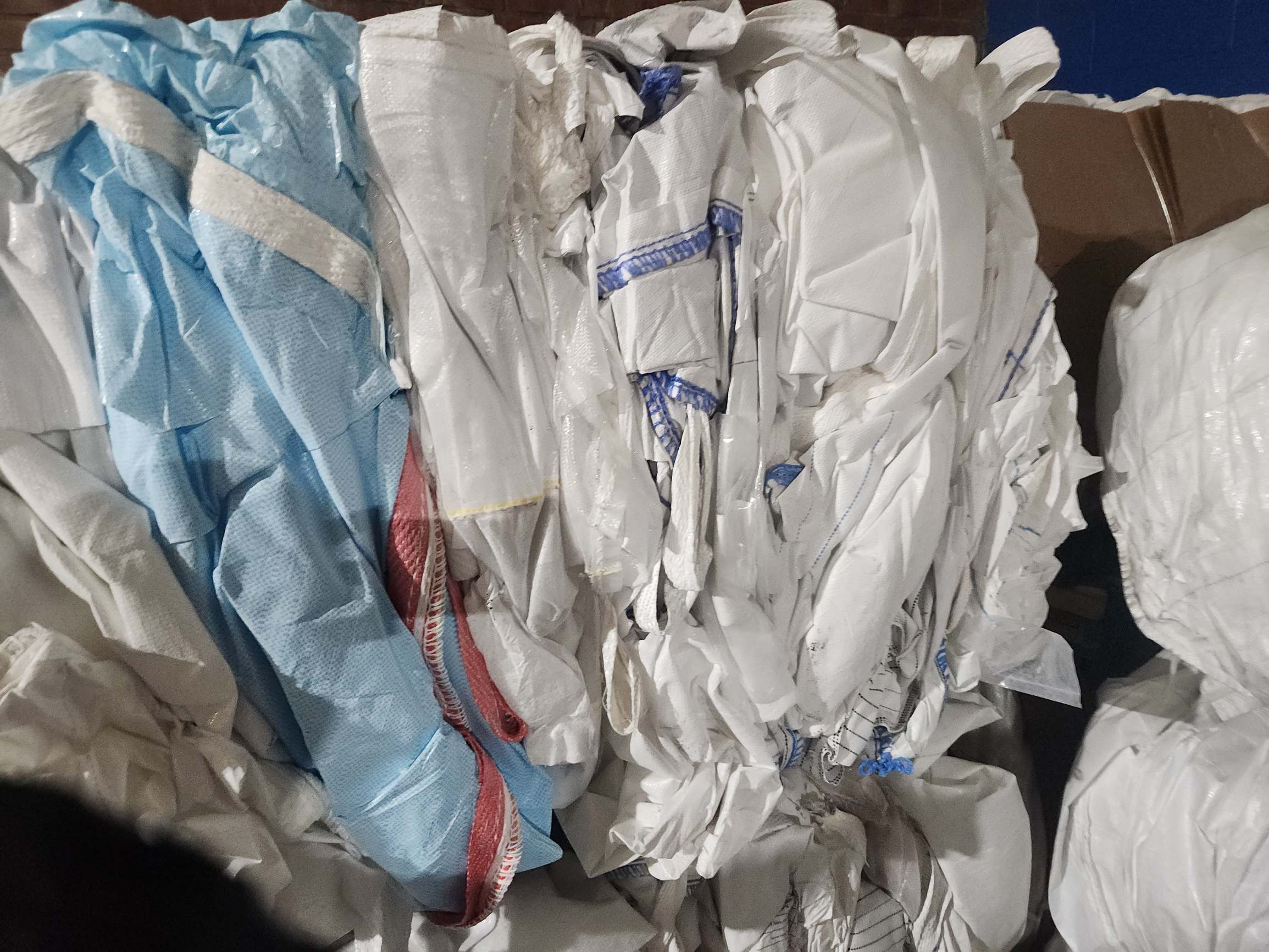
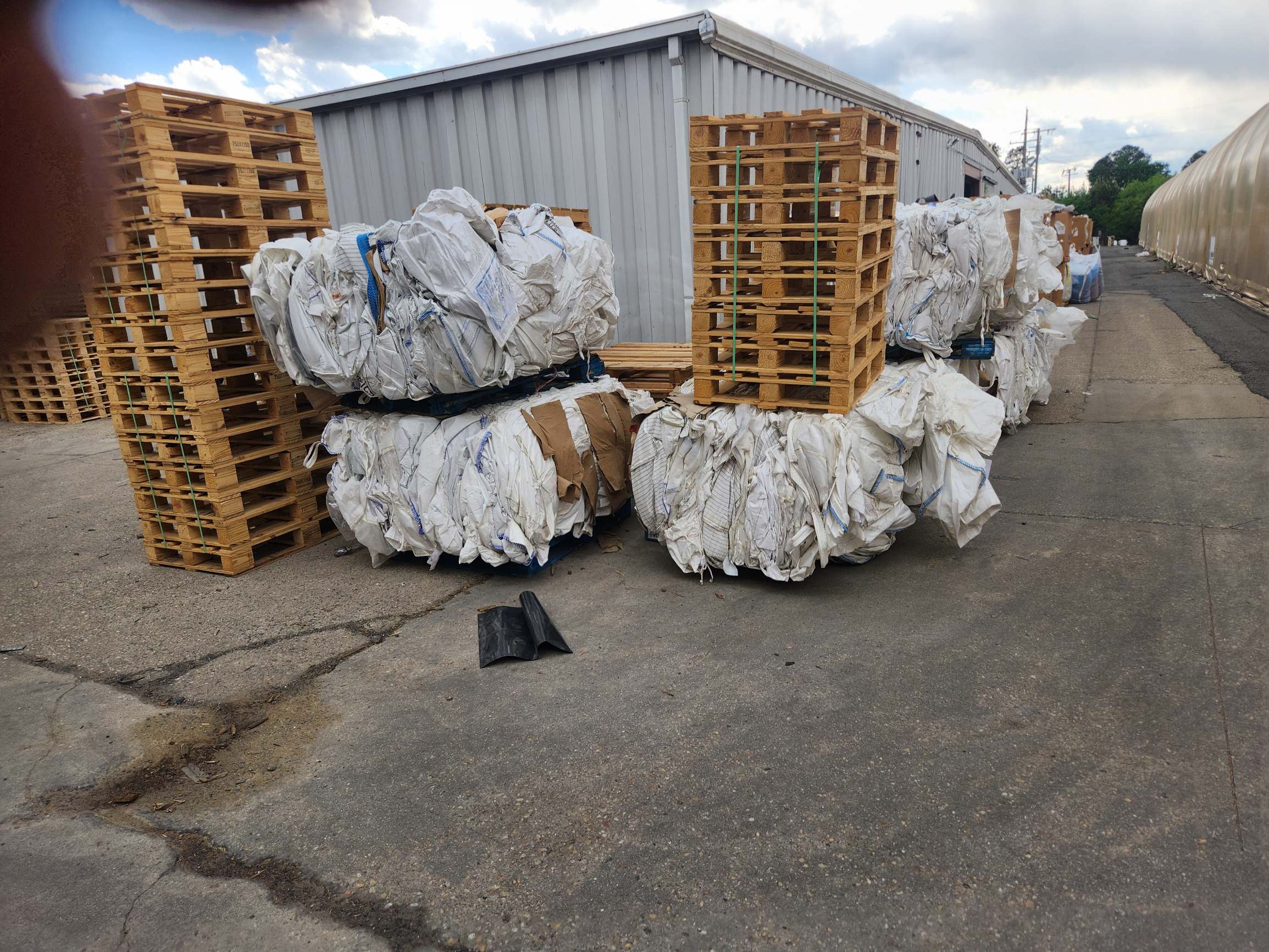
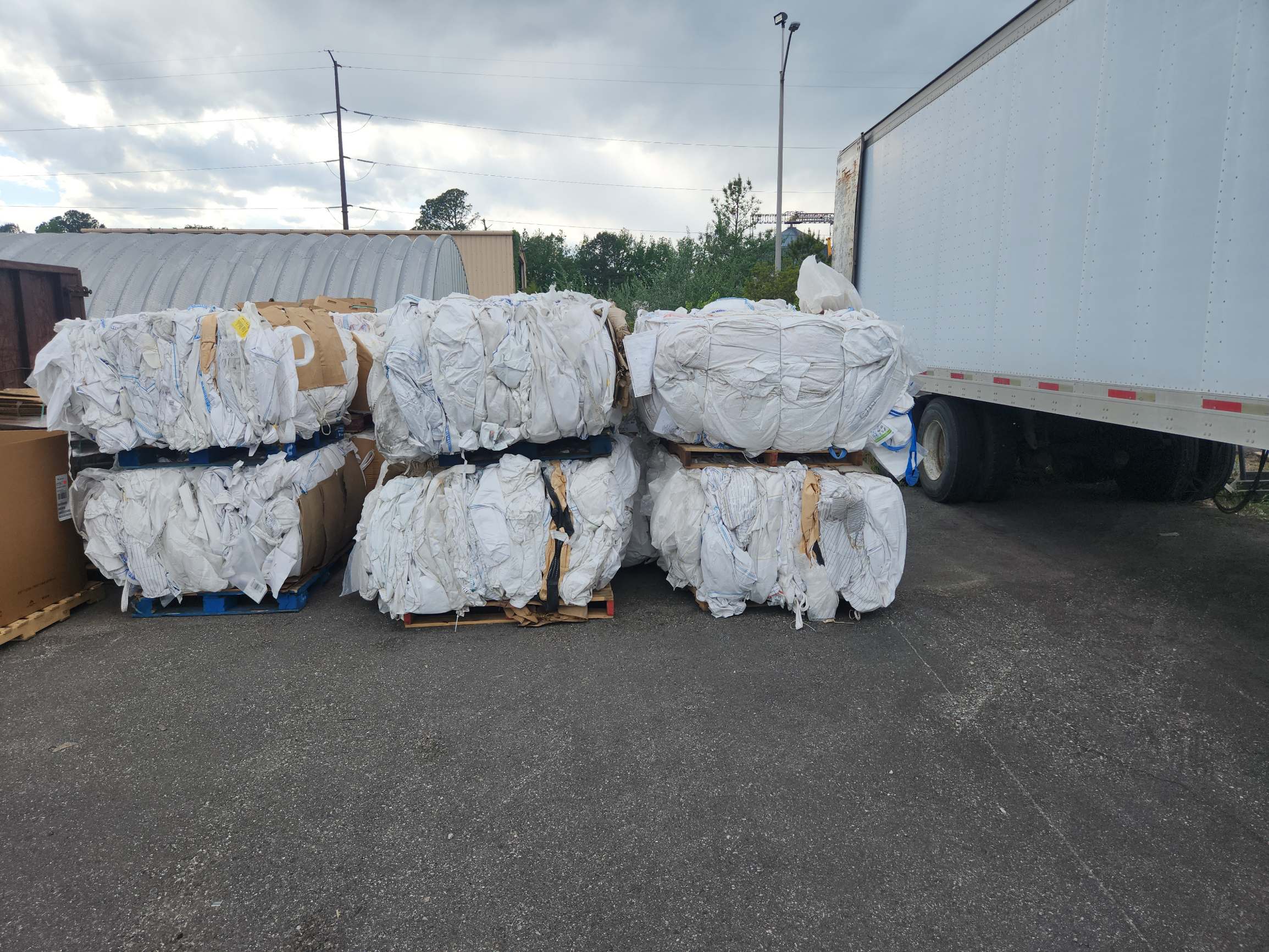
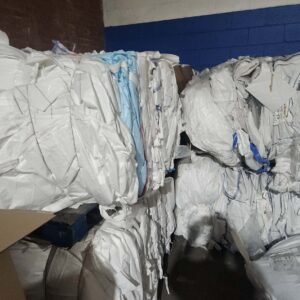
PP super sack bales are the more trade-friendly format and the standard for any serious volume transaction. Baling compresses the bulky woven material into dense, uniform blocks that maximise container utilisation and reduce freight costs per tonne significantly. For traders and recyclers moving material across borders or between regions, the difference between baled and loose supersack scrap can be the difference between a viable trade and an uneconomic one. Buyers sourcing PP supersack bales for processing will typically specify bale weight, dimensions, and expected contamination levels as part of their purchasing criteria, and sellers who can consistently deliver to specification build the kind of reliability premium that supports stronger long-term pricing.
PP sacks — the smaller woven polypropylene bags used for retail and semi-bulk applications, including 25kg and 50kg bags for cement, sand, rice, and animal feed — are often traded alongside supersack material or as a separate stream depending on volume and quality. The polymer composition is essentially the same, but the wall thickness, tape construction, and lamination characteristics can differ, which affects how the material processes through granulation and washing equipment. Experienced buyers will distinguish between supersack and smaller PP sack material in their specifications, and sellers benefit from keeping these streams separated where possible to maximise value recovery from each.
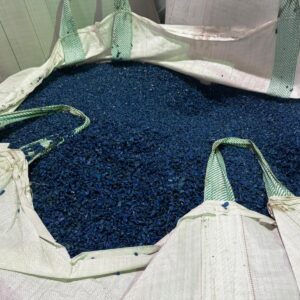
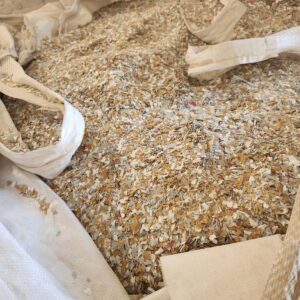
For recyclers evaluating PP supersacks as a feedstock, the processing pathway typically involves shredding or granulation, followed by washing to remove residues and contaminants, and then either pelletising or selling as regrind into the compounder market. Facilities equipped with friction washers and effective drying systems are best positioned to handle contaminated agricultural or construction-grade material and produce output that meets buyer quality thresholds. Recyclers without wet washing capability are better served focusing on clean industrial supersack streams where dry processing is sufficient.
Pricing, Demand for PP Super Sack Bales Scrap
Pricing for Polypropylene super sacks and PP sacks in the scrap market is closely tied to the broader PP regrind and pellet market, but with a discount applied that reflects the additional processing complexity relative to cleaner post-industrial PP streams. The size of that discount varies considerably based on contamination level, color, and the balance between supply and processing capacity in any given region.
Clean, lightly used industrial supersacks — particularly those from food-grade or chemical facilities where contents were dry and non-staining — attract the strongest pricing and the widest buyer base. These materials often require minimal washing and can be processed efficiently into consistent regrind that compounders and injection moulders will pay well for. Heavily contaminated agricultural bags, by contrast, trade at a significant discount and are primarily absorbed by recyclers with the processing infrastructure to handle them profitably. Mixed lots without clear provenance sit somewhere in the middle and are priced accordingly.
Demand for recycled PP from woven sack sources has been strengthening as compounders seek to diversify their recycled feedstock base and reduce dependence on more expensive or less available regrind streams. The growth of sustainability reporting requirements across manufacturing and retail supply chains has also increased interest in traceable, documented recycled PP inputs — which is creating a secondary premium for supersack scrap that comes with clear origin documentation and consistent quality records. Sellers who invest in documentation practices now are positioning themselves for a market that will increasingly reward transparency.
The Smart Play in PP Super sack Bales Scrap
PP supersacks represent one of those scrap streams where the fundamentals are clearly in place — abundant supply, established polymer recyclability, growing downstream demand — but where market development is still catching up with the opportunity. For recyclers with the right processing setup, for traders with access to consistent industrial or agricultural generation points, and for procurement professionals looking to diversify recycled PP sourcing, this material deserves a closer look than it typically receives.
The key, as always, is grade clarity. A PP supersack bale from a cement plant and a PP super sack bales from a mixed agricultural collection are different products that serve different buyers at different price points, and presenting them accurately is how trust — and repeat business — gets built in this market. Whether you have Polypropylene supersacks available and are looking for the right buyer, or you are actively sourcing PP super sack bales for a processing operation, reach out with your specifications and volumes. Clear material, honest grading, and straightforward deals are always the foundation.
Reviews
There are no reviews yet.