
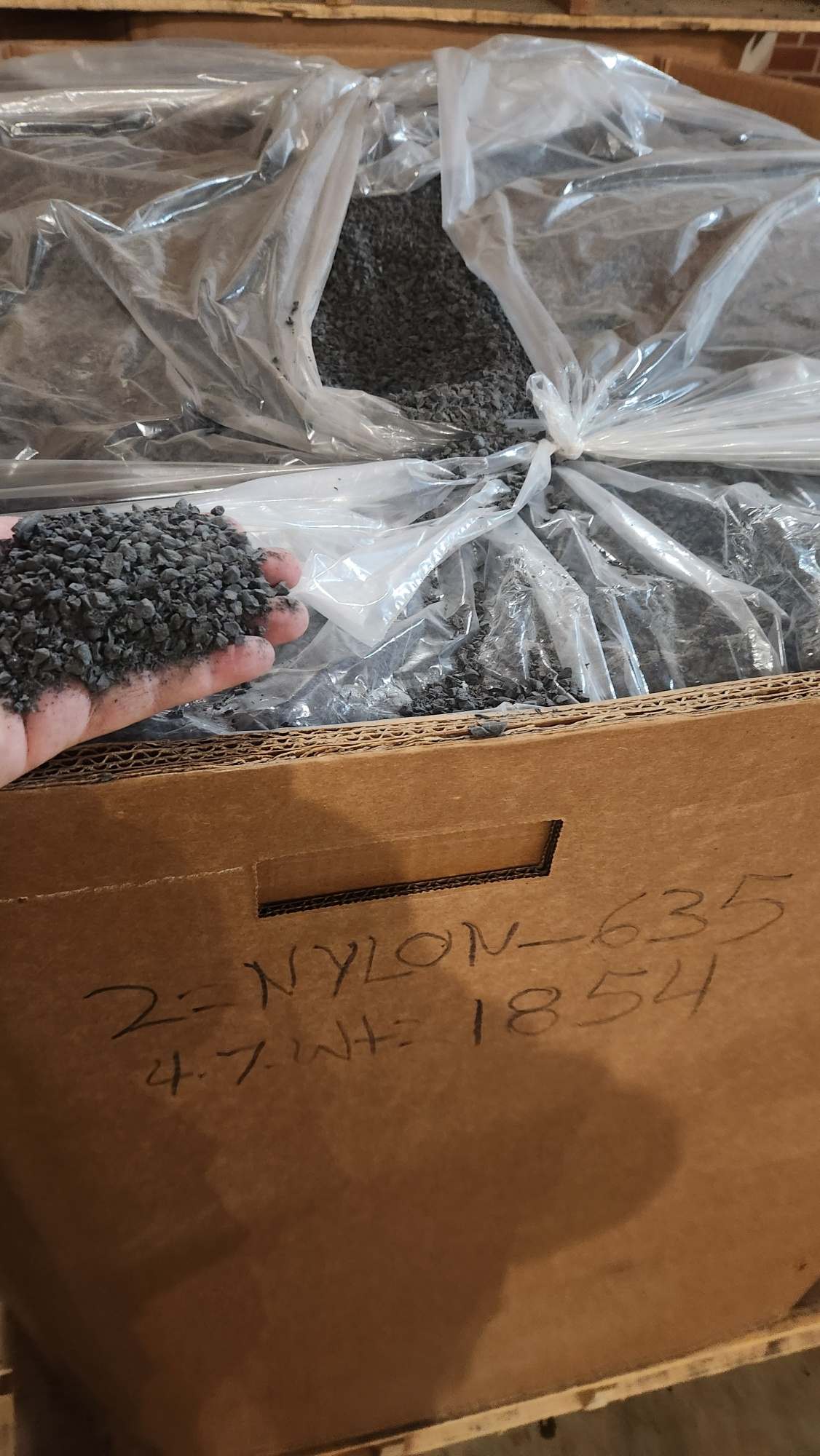
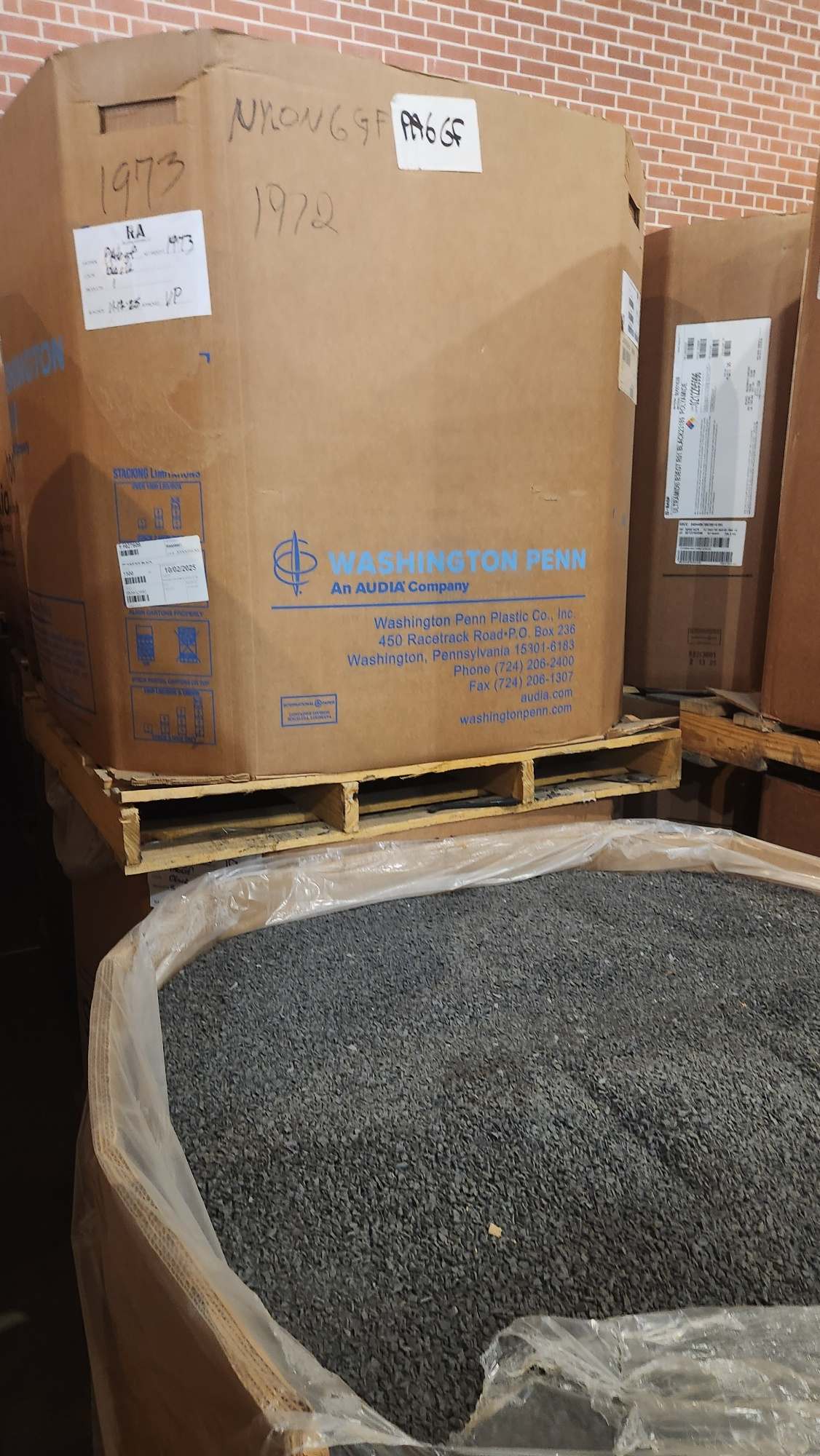
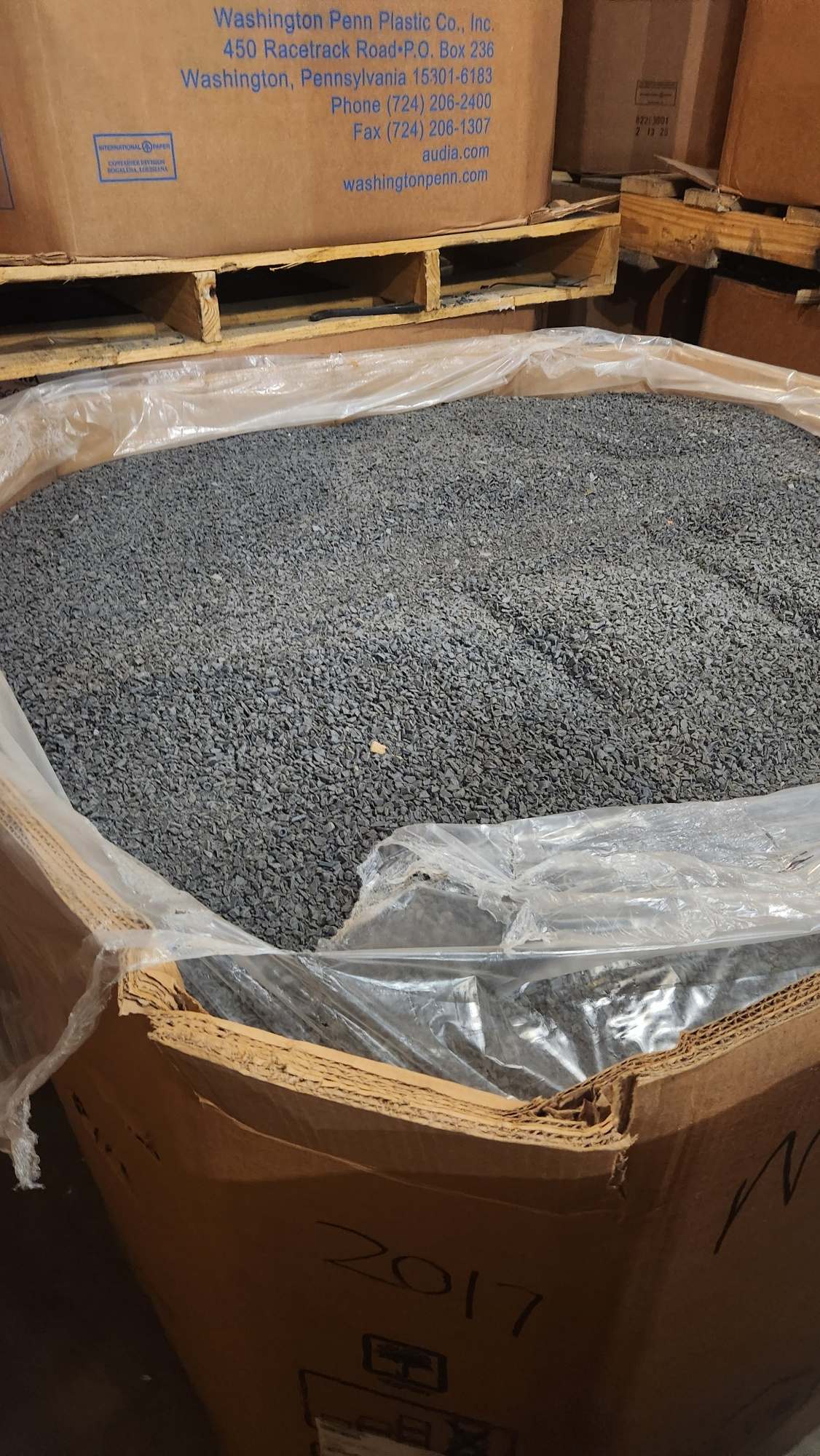
Nylon Regrind: The High-Performance Recycled Resin
Nylon is not cheap — and that is precisely why recycled nylon regrind has become one of the most actively sought secondary materials in the engineering plastics market. Virgin nylon production is energy-intensive, petrochemical-dependent, and increasingly subject to supply chain volatility. At the same time, demand for nylon-based components across automotive, electronics, textiles, and industrial manufacturing continues to climb. The result is a widening gap between what manufacturers need and what virgin resin supply can comfortably deliver at acceptable cost. For traders, recyclers, and procurement professionals who understand where to look and what to look for, Nylon Regrind represents one of the most compelling value propositions in the recycled plastics space today.
Understanding Nylon Regrind: PA6 and PA66
The term “nylon” covers a broader family of polyamide polymers than most buyers initially realise, and the distinction between grades is not cosmetic — it is fundamental to how the material performs and where it can be used. The two most widely traded grades in the regrind market are Nylon Regrind PA6 and Nylon Regrind PA66, and confusing one for the other is a costly mistake.
Nylon Regrind PA6 — Polyamide 6 — is produced through ring-opening polymerisation of caprolactam. It is characterised by good impact strength, excellent surface finish, and relatively easy processability. PA6 absorbs moisture more readily than PA66, which affects dimensional stability in certain applications, but this same characteristic gives it superior flexibility and fatigue resistance. Recycled PA6 regrind is widely used in injection moulding for consumer goods, electrical enclosures, cable ties, and various automotive interior components. It is generally more available than PA66 in the secondary market, which tends to keep its pricing slightly more accessible for buyers working with tighter margins.
Nylon Regrind PA66 — Polyamide 66 — is produced from hexamethylenediamine and adipic acid, and it carries a notably higher melting point than PA6, sitting at approximately 260°C versus PA6’s 220°C. This thermal advantage, combined with superior stiffness and better retention of mechanical properties at elevated temperatures, makes PA66 the material of choice for demanding under-the-hood automotive applications, high-load mechanical parts, and electrical connectors operating in harsh environments. Recycled PA66 regrind commands a premium in the market precisely because the performance gap relative to virgin material is smaller, and the downstream applications it serves are less tolerant of substitution. For procurement teams sourcing engineered components, the ability to integrate quality PA66 regrind without redesigning around lower-spec materials is a significant cost advantage.
For recyclers building out their nylon processing operations, the ability to accurately identify and separate PA6 from PA66 feedstock is a core competency. Infrared sorting, melt point testing, and supplier documentation all play a role in maintaining grade integrity — and buyers will consistently pay more for material that arrives correctly identified and cleanly separated.
What Drives Nylon Scrap Price?
Few engineering plastic scrap categories show as much pricing variability as nylon, and understanding what moves the market is essential for anyone buying or selling with any regularity. Nylon Scrap Price is shaped by a combination of virgin resin benchmarks, feedstock availability, grade purity, and end-market demand — and all four variables can shift independently of one another within the same quarter.
Virgin PA6 and PA66 resin prices set the reference point. When virgin nylon is expensive — driven by caprolactam or adipic acid feedstock costs, energy prices, or supply disruptions — recycled regrind becomes correspondingly more attractive, and prices for quality scrap move upward quickly. When virgin resin softens, regrind pricing follows, though the lag can create short windows where recycled material offers exceptional value relative to new resin. Buyers who track petrochemical pricing alongside scrap markets position themselves to time purchases more effectively.
Grade purity and contamination level have an outsized impact on Nylon scrap price per kg compared to many other plastic scrap categories. Nylon is hygroscopic — it absorbs moisture from the environment — which means poorly stored or improperly handled scrap can arrive with elevated moisture content that affects both weight and processability. Beyond moisture, glass-filled nylon scrap — common in automotive and electrical applications where PA6 or PA66 is reinforced with glass fibre — trades differently from unfilled grades and requires different processing equipment and buyer profiles. A tonne of clean, unfilled PA66 regrind and a tonne of glass-filled PA66 regrind are not interchangeable commodities, and pricing them as though they were is a reliable way to create problems downstream.
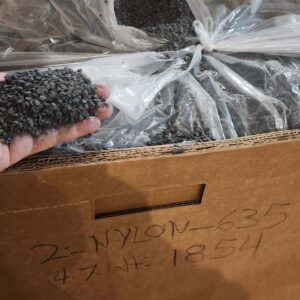
Color also factors into Nylon Scrap Price per Kg, though the weighting varies by end market. Natural or light-colored nylon regrind commands the broadest range of end uses and the strongest pricing. Black nylon — abundant from automotive parts and electrical housings — is widely available but limits downstream flexibility, since it cannot be recolored without significant masking. Mixed-color nylon scrap occupies the lower end of the pricing range and is typically absorbed by compounders blending to black or dark-colored output.
For buyers sourcing internationally, regional dynamics matter significantly. European PA66 scrap, much of it arising from automotive manufacturing clusters in Germany, France, and the Czech Republic, tends to be well-sorted and traceable, attracting buyers from Asia and the Middle East who value documentation and consistency. North American nylon scrap flows, similarly, benefit from strong industrial sourcing infrastructure. Buyers in markets with less developed collection systems often find that import pricing, even including freight, delivers better material quality than locally available alternatives.
Building a Smarter Nylon Sourcing Strategy
The nylon regrind market is not a place for guesswork. It rewards buyers and sellers who come prepared — with clear grade specifications, reliable test data, and a realistic understanding of what the market will bear at any given moment. Whether you are a compounder integrating Nylon Regrind PA6 into a flexible injection moulding line, an automotive supplier qualifying Nylon Regrind PA66 for a structural component application, or a trader building volume positions in engineering plastic scrap, the fundamentals are consistent: grade integrity determines value, and value determines everything else.
The opportunity in this market is real and growing. As automotive OEMs accelerate recycled content commitments, as electronics manufacturers face tightening extended producer responsibility regulations, and as brand owners across industries look to close material loops, demand for quality nylon regrind at both PA6 and PA66 grades is structurally supported for the medium term. Supply, by contrast, remains fragmented — which means well-connected traders and recyclers with access to consistent, high-quality feedstock are sitting in a strong position.
If you are currently evaluating Nylon scrap price levels for a specific grade, have material available and want a fair market read, or are looking for a reliable source of Nylon Regrind PA6 or PA66 for ongoing supply, reach out with your specifications. Transparent grading, accurate material data, and straightforward transactions are the foundation of every deal worth doing.
Reviews
There are no reviews yet.